

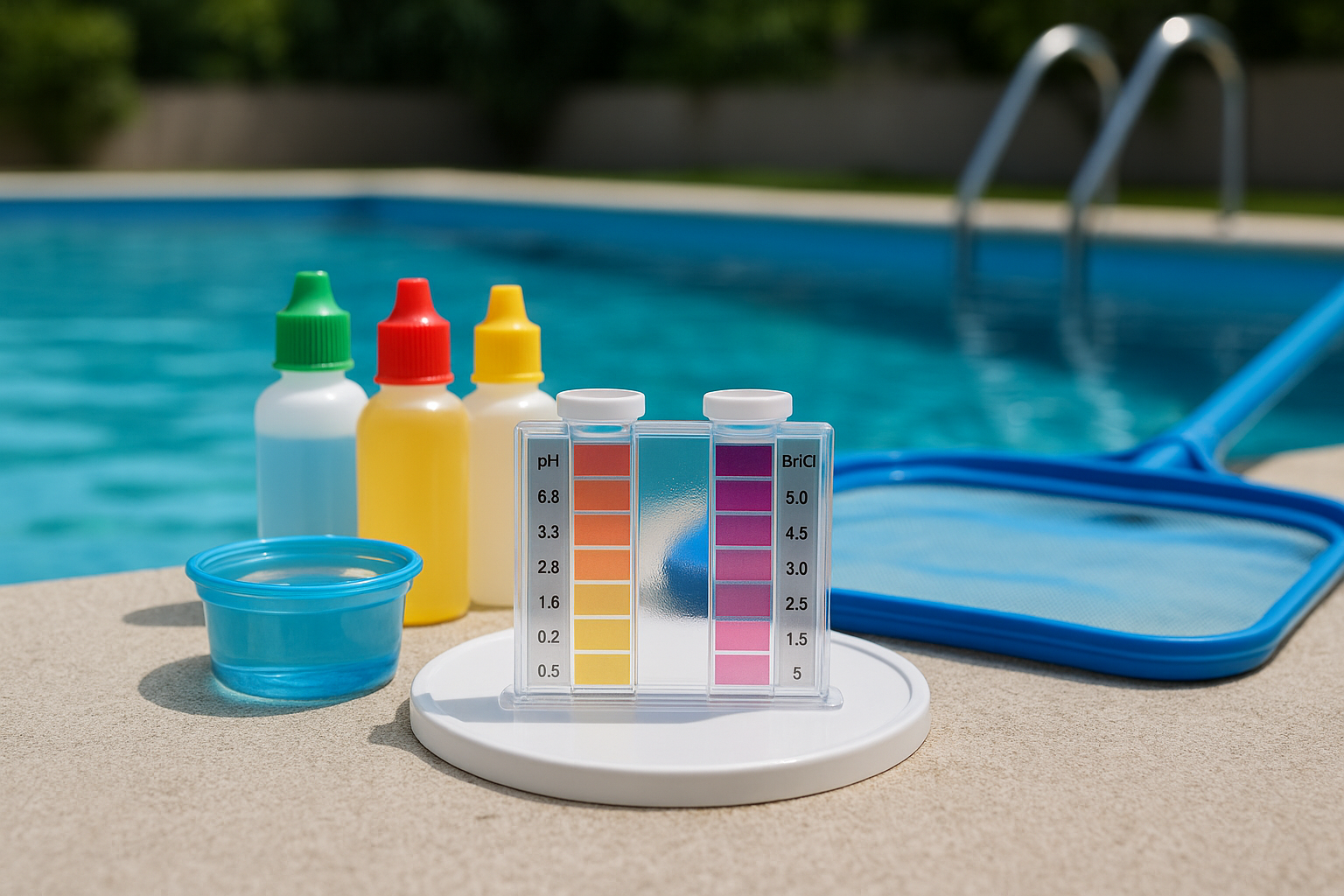
Understanding Pool Water Balance
Maintaining proper pool water balance is essential for swimmer comfort, equipment longevity, and effective sanitization. Water balance refers to a set of chemical parameters — pH, total alkalinity, calcium hardness, and stabilizer — that together determine how water behaves. When one factor drifts out of range, it often triggers a chain reaction of problems.
- Balanced water protects surfaces and equipment from corrosion or scale.
- Correct chemistry keeps chlorine effective against bacteria and algae.
- Consistent testing helps you spot small issues before they escalate.
Common Chemical Imbalances
Pool owners frequently face a few predictable imbalances. Knowing these helps you troubleshoot faster and avoid costly repairs or uncomfortable swims.
- Low or high pH
- Incorrect total alkalinity
- Improper calcium hardness
- Unsuitable sanitizer levels (chlorine or alternatives)
Why these imbalances matter
Each parameter affects the others: for example, low alkalinity can cause pH to swing wildly, while high calcium can lead to cloudy water and scale. Keeping all parameters within recommended ranges (pH 7.2–7.8, alkalinity 80–120 ppm, calcium hardness 200–400 ppm for gunite pools) creates stable conditions.
Causes of pH Fluctuations
pH is one of the most sensitive pool chemistry elements and changes quickly in response to environmental and operational factors.
- Rainwater and source water: Acidic rain or fill water can lower pH.
- Sanitizers and chemicals: Adding muriatic acid or chlorine can affect pH.
- Swimmers and organic load: Sweat, cosmetics, and debris introduce compounds that alter pH.
Signs of pH problems
High pH causes cloudy water, scaling, and reduced chlorine effectiveness. Low pH results in eye and skin irritation and corrodes metal fixtures. Regular testing is the fastest way to detect shifts.
Total Alkalinity and Stabilizer Issues
Total alkalinity (TA) acts as a buffer for pH. When TA is out of range, pH can rise or fall unpredictably. Cyanuric acid (stabilizer) protects chlorine from UV degradation but too much will reduce chlorine’s sanitizing power.
- Low TA: pH bounces easily, making chemical dosing inconsistent.
- High TA: pH may become “pinned” high, leading to scale and cloudy water.
- Excess stabilizer: Requires partial drain-and-refill to reduce cyanuric acid levels.
Hardness and Metal Problems
Calcium hardness and dissolved metals can cause visible and costly issues. Hard water leads to scale deposits on tiles and heaters, while metals (iron, copper) cause staining and discoloration.
- Scale formation: White crust on tiles, cloudy water, and reduced heater efficiency.
- Staining: Green or brown stains from metals often appear after pH or sanitizer shocks.
- Prevention: Use sequestering agents for metals and maintain proper hardness levels.
Practical Tips for Maintaining Balance
Routine care and smart habits make balance manageable. Small, regular adjustments are better than large dramatic changes.
- Test water 2–3 times weekly during swim season; weekly in off-season.
- Add chemicals gradually and circulate for several hours before retesting.
- Keep a log of readings and actions so you can spot trends.
- Shock weekly or after heavy use/rain to remove combined chlorine and organics.
Testing and Treatment Best Practices
Accurate testing is the foundation of good pool chemistry. Use reliable test kits and follow manufacturer instructions for dosing. Consider periodic lab tests for a precise read on metals and stabilizer levels.
- Use liquid or tablet test kits for more accurate pH and alkalinity results than strips.
- Turn on filtration and run for a full turnover after chemical additions.
- When in doubt, make smaller adjustments and retest — it’s safer than overcorrecting.
When to Call a Pro
Some problems are best handled by a pool professional, especially if they persist despite regular care.
- Recurring cloudy water or rapid pH swings
- Visible staining or corrosion that returns after treatment
- Equipment failures tied to water chemistry (heater or pump damage)
- Need for drain-and-refill because of excessively high stabilizer or hardness
Conclusion
Keeping pool water balanced requires routine testing, careful dosing, and attention to how one parameter affects another. With consistent habits — reliable testing, gradual adjustments, and timely shock treatments — you can prevent most common issues and keep your pool safe, clear, and comfortable all season long.