
Pool Leak Detection, Repairs & Remodels
At Colin Irons Pool Leak Detection and Repairs, we understand that your pool is more than just an investment—it’s a source of joy and relaxation. Entrust your pool leak detection and repair needs to our expert technicians and spend more time enjoying it and less time worrying about leaks.
Our adept professionals are dedicated to restoring your pool to its optimal condition, ensuring you can stay cool and relaxed even during the hottest days. But maintaining your pool isn’t just about comfort; it’s about conserving water, protecting the foundation of your property, and reducing your water bill. It’s an investment in your property’s value and your peace of mind.
Discover more about our commitment to exceptional service and our journey in the pool repair industry. Let Colin Irons Pool Leak Detection and Repairs help you keep your pool in perfect shape so you can make the most of your backyard oasis.
See What Our Customers Say
Who We Are
Colin Irons Pool Leak Detection and Repairs specializes in pool leak detection, repair, and renovation. Since our founding in 1998 in the Dallas-Fort Worth area, we have built a strong reputation for customer satisfaction, becoming a trusted name in the industry and continually expanding our service areas.
Our team utilizes the latest pool-related technology to ensure we provide a best-in-class service to every customer.
We are proud to be a certified warranty center for Pentair and Zodiac, reflecting our commitment to quality and expertise. Offering a wide range of pool repair and improvement services for both in-ground and above-ground pools, Colin Irons Pool Leak Detection and Repairs is dedicated to keeping your pool in optimal condition for a stress-free and enjoyable experience.
Why Choose Us
Our company has been serving pool owners in need of reliable pool repairs and renovations for over 25 years. Providing exceptional service is our team’s top priority, and we strive to deliver this from our first interaction with clients until the work is completed to their satisfaction.
We know that prompt and accurate communication is crucial when it comes to customer service. That’s why we only use high-quality parts from trusted manufacturers and take great care in our work to ensure we provide quality service every time.
At the core of our business is effective communication, transparency, and honesty with our clients. We always take the time to listen to their preferences and needs and work within their budget constraints when discussing upgrade options. Our pool renovation services not only enhance the aesthetic appeal of the pool, but also help clients save on energy costs.
Our team of experienced technicians conducts an initial assessment of the site and provides an accurate estimate before starting any work. We believe in offering competitive pricing, innovative services, and fair deals. When you choose us as your trusted source for your pool, you can be assured of a quality experience.
What We Do
We’ve earned a solid reputation for being a leader in pool leak detection and pool leak repair. This service alone can save you time and money. The problem with pool leaks is that it’s not always easy to find the source of a leak.
Even if you do notice signs of a leak that typically include the loss of water that’s not due to evaporation, standing water near pool equipment, mysterious gurgling sounds, or utility bills that are higher than normal, you may have difficulty determining the actual source of the leak. We have the special equipment and expertise necessary to pinpoint the source of leaks and do the necessary repairs.
Upgrading is another service we provide. If you have an older pool, for instance, you may prefer more energy-efficient pumps or heaters. Upgrades and improvements can also involve the addition of convenient automation features, energy-efficient lighting that can provide added ambiance and illumination where it’s needed, and salt systems. We are at your service for any type of repairs you may need.
Our main services include:
- Pool leak repair
- Pool diagnostics
- Equipment repair and replacement
- Pool remodels
- Preventative pool maintenance
We Are Here For You
Frequently Asked Questions
How do I know if a crack in my pool shell requires professional repair?
Identifying Critical Pool Shell Cracks
Not all cracks in a pool shell require immediate professional attention, but certain signs indicate a need for expert repair to prevent further damage.
- Size and Width: Cracks wider than 1/8 inch or those that continue to grow over time usually need professional evaluation.
- Location: Cracks near structural components such as steps, corners, or where the pool meets the deck can impact the pool's integrity.
- Water Loss: Unexplained water loss around the crack area suggests that the crack may be causing leaks.
- Surface Condition: Cracks accompanied by spalling (surface flaking) or rough edges indicate deterioration that requires repair.
When to Seek Professional Help: If you notice persistent or expanding cracks, leakage, or structural concerns, contact a pool repair specialist. Early intervention helps maintain your pool's safety and longevity, preventing costly repairs in the future.
What are the most effective methods for repairing cracks in a pool?
Effective Methods for Pool Crack Repair
Repairing cracks in a pool is essential to maintain its structural integrity and prevent water loss. Below are common and reliable methods used for pool crack repair:
- Epoxy Injection: This method involves injecting epoxy resin into the crack to seal and bond the damaged area. It is highly effective for structural cracks and restores the pool's strength.
- Polyurethane Foam Injection: Used primarily for leaks, this expanding foam fills cracks and gaps, providing a waterproof seal while accommodating slight movements in the pool structure.
- Cementitious Patch Repair: For surface cracks, a cement-based patch can be applied after cleaning the area. This method is suitable for minor cracks and cosmetic repairs.
- Fiberglass Patch: In pools with fiberglass surfaces, applying a fiberglass patch and resin can restore the pool's surface and seal cracks effectively.
Note: Proper surface preparation, such as cleaning and drying the crack, is critical for a successful repair. For significant or structural cracks, consulting a professional is recommended to ensure long-lasting results.
How is a structural leak in a pool’s shell typically identified and repaired?
Identifying Structural Leaks in Pool Shells
Structural leaks occur in the pool's concrete or gunite shell, often causing water to seep through cracks or porous areas. Signs include persistent water loss despite no visible plumbing leaks and damp spots around the pool perimeter.
Repair Process
- Leak Detection: Professionals conduct pressure tests and use specialized equipment to pinpoint the leak's exact location.
- Surface Preparation: The area around the leak is cleaned and prepped, often by draining the pool below the affected spot.
- Crack Repair: Technicians inject epoxy or polyurethane resins into cracks to seal and restore structural integrity.
- Surface Restoration: After sealing, the surface is refinished with plaster or other pool materials to match the existing finish.
- Testing: The pool is refilled, and water levels are monitored to ensure the repair's effectiveness.
Timely repair of structural leaks prevents further damage and maintains pool safety and aesthetics.
What are the steps involved in repairing a pool return line leak?
Steps to Repair a Pool Return Line Leak
Repairing a pool return line leak involves several important steps to ensure the issue is fully resolved and the pool operates efficiently:
- Identify the Leak Location: Use pressure testing and dye tests to pinpoint the exact area of the leak in the return line.
- Drain the Pool (if necessary): Depending on the leak's location, partially or fully draining the pool may be required to access the damaged pipe.
- Excavate the Area: Carefully dig around the suspected leak site to expose the return line without causing further damage.
- Cut and Remove Damaged Section: Remove the leaking portion of the pipe, ensuring clean cuts for a proper repair.
- Replace or Repair the Pipe: Install a new pipe segment or use appropriate repair couplings to seal the leak securely.
- Test the Repair: Pressurize the line again to confirm the leak has been fixed before backfilling.
- Backfill and Restore: Carefully refill the excavation site and restore the pool surroundings.
Following these steps carefully helps maintain pool water levels, prevents further damage, and ensures safe, efficient pool operation.
How can I tell if my pool skimmer is leaking?
Signs of a Pool Skimmer Leak
Detecting a leak in your pool skimmer early can prevent extensive damage and costly repairs. Here are key indicators to watch for:
- Unexplained Water Loss: If your pool water level consistently drops below the skimmer line, even after accounting for evaporation, it might indicate a leak.
- Visible Cracks or Damage: Inspect the skimmer basket and the surrounding area for cracks or loose fittings that could cause leaks.
- Wet Ground Around Skimmer: Moist or soggy soil near the skimmer area can be a sign of underground leaks.
- Air Bubbles in the Skimmer: Continuous bubbles inside the skimmer can signal a leak allowing air into the system.
Regularly inspecting your pool skimmer and monitoring water levels can help detect leaks early. If you notice any of these signs, consulting a pool professional for a thorough leak inspection is advisable to prevent further damage and maintain your pool's efficiency.
What are the common causes of underground pool pipe damage?
Common Causes of Underground Pool Pipe Damage
Understanding what causes damage to underground pool pipes can help you prevent costly repairs and maintain your pool's integrity. Here are some frequent reasons:
- Soil Movement: Shifting soil due to weather changes or geological activity can stress and crack pipes.
- Corrosion and Wear: Over time, certain pipe materials may corrode or degrade, especially if water chemistry is unbalanced.
- Root Intrusion: Tree roots can grow around and penetrate pipes, causing blockages or breaks.
- Improper Installation: Pipes not installed with correct bedding or slope may suffer damage from pressure or poor drainage.
- Freezing Temperatures: In colder climates, water inside pipes can freeze and expand, leading to cracks.
Regular inspections and proactive maintenance can help detect early signs of damage. If you notice unusual water loss or pressure changes, it’s important to consult a professional to assess and repair underground pool pipes promptly.
How does underground pool leak detection impact water conservation?
Importance of Underground Pool Leak Detection for Water Conservation
Detecting leaks in underground pool plumbing is crucial for conserving water and reducing unnecessary waste. Even small leaks can cause significant water loss over time, leading to higher water bills and environmental strain.
How Leak Detection Helps
- Early Identification: Professionals use specialized techniques to find leaks before they worsen, preventing large-scale water loss.
- Efficient Repairs: Accurate detection allows for targeted repairs, minimizing water waste during the fixing process.
- Long-Term Savings: Fixing leaks promptly reduces ongoing water loss, conserving resources and lowering costs.
By investing in underground pool leak detection, pool owners contribute to sustainable water use and maintain the pool’s integrity without excessive water consumption.
What are the risks of delaying pool pipe leak repair?
Risks of Delaying Pool Pipe Leak Repair
Ignoring a pool pipe leak can lead to several serious problems that can increase repair costs and cause damage to your property. Here are the main risks:
- Structural Damage: Continuous water loss can erode soil around the pool, potentially causing cracks or shifting in the pool structure.
- Increased Water Bills: Undetected leaks waste water, significantly raising your utility costs over time.
- Equipment Damage: Leaks may reduce water levels, forcing pumps and filters to work harder, which can lead to premature equipment failure.
- Algae Growth and Poor Water Quality: A leak disrupts water balance, encouraging algae growth and negatively impacting swimmer safety and comfort.
Promptly addressing pool pipe leaks helps maintain pool integrity, reduces expenses, and ensures a safe swimming environment.
What should I expect during a professional pool pipe leak detection service?
Professional Pool Pipe Leak Detection Process
When you hire a specialist for pool pipe leak detection, the process typically involves several key steps to accurately identify the leak location with minimal disruption.
- Initial Inspection: The technician will examine your pool and surrounding equipment to assess possible leak symptoms and understand your setup.
- Pressure Testing: They often conduct pressure tests on the pool’s plumbing lines to identify sections where pressure drops, indicating a leak.
- Use of Detection Tools: Specialized tools such as electronic listening devices, dye tests, or infrared cameras may be used to pinpoint the exact leak.
- Non-Invasive Techniques: Professionals strive to limit damage by using non-invasive methods whenever possible, preserving your pool structure.
- Detailed Reporting: After detection, you will receive a clear report explaining the leak’s location, severity, and recommended repair options.
This thorough and careful approach ensures leaks are identified accurately and efficiently, helping protect your pool investment.
What are the typical repair techniques used for fixing pool plumbing leaks?
Common Techniques for Pool Plumbing Leak Repair
Repairing pool plumbing leaks involves several specialized methods to ensure a durable fix and restore proper function:
- Pipe Excavation and Replacement: If the leak is in a buried pipe, professionals may excavate the area and replace the damaged section with new piping.
- Epoxy Injection: For minor cracks or holes, epoxy compounds can be injected to seal leaks without extensive digging.
- Slip Lining: This involves inserting a new pipe inside the existing damaged pipe to reinforce and seal leaks, minimizing excavation.
- Clamp Repair: Specialized clamps can sometimes be applied around leaking joints or pipes as a temporary or permanent solution.
- Pressure Testing: After repairs, pressure tests are conducted to confirm the leak is fully sealed before backfilling or restoring the pool area.
Choosing the right technique depends on the leak location, severity, and pipe material. Professional assessment ensures that repairs are effective and long-lasting.
What are the common signs that indicate a pool plumbing leak?
Common Signs of a Pool Plumbing Leak
Detecting a plumbing leak in your pool early can save time and costly repairs. Look out for these telltale signs:
- Unexplained water loss: If your pool water level drops more than normal evaporation rates, it might indicate a leak.
- Wet spots around the pool area: Damp or soggy ground near the pool plumbing lines suggests water escaping underground.
- Decreased water pressure: A noticeable drop in circulation or pump pressure can signal a leak in the pipes.
- Visible cracks or damage: Inspect the pool’s plumbing access points and visible pipes for any cracks or breaks.
- Algae growth: Excessive algae can result from water leaks that disturb chemical balance.
If you observe one or more of these signs, it's advisable to contact a professional pool leak detection service promptly. Early intervention can prevent further damage and maintain your pool's efficiency.
What materials are commonly used in inground pool leak repair?
When repairing leaks in inground pools, choosing the right materials is essential for a durable and effective fix. Here are some of the most commonly used materials:
- Epoxy and polyurethane injections: These are popular for sealing cracks in concrete or gunite pools. They bond tightly and are waterproof.
- Hydraulic cement: Used to plug active leaks quickly, especially in concrete structures, it expands as it cures to create a tight seal.
- Vinyl patches: For vinyl liner pools, specialized adhesive patches are used to cover and seal holes or tears.
- Silicone and rubberized sealants: These flexible sealants are useful for sealing around fittings, pipes, and other penetrations where movement may occur.
- Replacement parts: Sometimes leaks stem from faulty fittings, valves, or plumbing components that need to be replaced with PVC or other durable materials.
Choosing the appropriate repair material depends on the pool type, leak location, and severity. Consulting a professional ensures the repair is done using materials suited for long-lasting results.
How do professionals locate the exact source of an inground pool leak?
Techniques Used to Pinpoint Inground Pool Leaks
Locating the exact source of a leak in an inground pool requires a systematic approach and specialized tools. Professionals typically follow these steps:
- Visual Inspection: They first examine the pool surface, plumbing fixtures, and equipment for obvious signs of damage or wear.
- Pressure Testing: This involves isolating sections of the pool’s plumbing system and applying pressure to detect drops that indicate leaks.
- Listening Devices: Electronic listening tools help detect sounds of water escaping beneath the pool shell or plumbing lines.
- Dye Testing: Non-toxic dyes are introduced near suspected leak areas; the dye’s movement helps identify the exact leak location.
- Infrared Thermography: Infrared cameras can reveal temperature differences caused by water escaping, highlighting hidden leaks.
By combining these methods, professionals can accurately locate leaks with minimal disruption, ensuring efficient repairs and preserving the pool's integrity.
What factors influence the accuracy of pool water leak detection?
Factors Affecting Leak Detection Accuracy
Several key factors can influence how accurately a leak detection specialist can locate and identify pool water leaks:
- Pool Design and Materials: Complex or older pools with multiple materials may hide leaks more effectively.
- Water Chemistry: Imbalanced water chemistry can cause staining or damage that obscures leak locations.
- Environmental Conditions: Weather conditions like wind, rain, or temperature fluctuations can affect water levels and complicate leak identification.
- Detection Technology Used: The precision of methods such as pressure testing, electronic amplification, or dye testing impacts accuracy.
- Experience of the Technician: Skilled professionals can interpret subtle signs and use tools more effectively.
Understanding these factors helps pool owners appreciate the complexity of leak detection and the importance of hiring qualified experts equipped with appropriate technology.
How can I prevent future leaks after repairing my pool?
Preventing Future Pool Leaks
After repairing a pool leak, taking proactive steps can help avoid future issues. Consider the following tips:
- Regular Inspections: Schedule periodic inspections to catch small cracks or wear early.
- Maintain Proper Water Chemistry: Balanced pH and chemical levels protect pool surfaces from corrosion and damage.
- Check Pool Equipment: Ensure pumps, filters, and valves are functioning correctly to prevent pressure-related leaks.
- Avoid Harsh Chemicals: Use pool products recommended by professionals to minimize surface degradation.
- Protect Pool Surfaces: Avoid heavy impacts and promptly repair minor surface damages like chips or cracks.
Consistent maintenance and early detection are key to extending your pool's lifespan and preventing costly repairs.
What qualifications should I look for in a pool leak detection specialist?
Key Qualifications of a Pool Leak Detection Specialist
Choosing the right pool leak detection specialist is crucial for accurate diagnosis and effective repairs. Here are important qualifications to consider:
- Certification and Training: Ensure the specialist has formal training or certifications in pool leak detection or related fields, which indicates professional knowledge and adherence to industry standards.
- Experience: Look for professionals with a proven track record and several years of experience specifically in pool leak detection and repairs.
- Use of Advanced Equipment: The specialist should employ modern technologies such as electronic leak detectors, pressure testing devices, and dye testing to accurately locate leaks.
- References and Reviews: Positive customer feedback and references demonstrate reliability and quality service.
- Insurance and Licensing: Verify that the specialist is licensed and insured to protect you from any liabilities during the service.
By prioritizing these qualifications, you can confidently select a pool leak detection specialist who delivers precise assessments and professional repairs.
How do pool leak detection companies ensure minimal damage during the inspection process?
Minimizing Damage During Pool Leak Detection
Professional pool leak detection companies prioritize preserving the integrity of your pool and surrounding areas. Here's how they achieve minimal damage:
- Non-invasive Techniques: They often use advanced methods like electronic listening devices, pressure testing, and dye tests to locate leaks without digging or dismantling pool components.
- Targeted Inspections: By pinpointing the exact leak location quickly, they avoid unnecessary disruption to pool surfaces and landscaping.
- Use of Specialized Equipment: Tools such as infrared cameras and moisture meters help detect leaks beneath plaster or tile without physical intrusion.
- Experienced Technicians: Skilled professionals understand the structure of various pool types and apply techniques that reduce risk of damage.
Choosing a reputable pool leak detection company ensures your pool is inspected carefully, saving you from costly repairs caused by invasive or improper inspection methods.
What technologies are used in professional pool leak detection services?
Advanced Technologies in Pool Leak Detection
Professional pool leak detection services utilize a variety of advanced technologies to accurately locate leaks without causing damage to your pool. These methods ensure efficient diagnosis and targeted repairs.
- Electronic Leak Detection: Uses sensitive equipment to detect escaping water by measuring changes in electrical conductivity around the pool structure.
- Dye Testing: Involves introducing a safe, colored dye near suspected leak areas to see if it gets drawn into cracks or gaps, revealing the leak's location.
- Pressure Testing: Checks the plumbing system by pressurizing pipes to identify drops in pressure that indicate leaks.
- Thermal Imaging Cameras: Detect temperature differences caused by water escaping from the pool, especially useful for underground leaks.
- Acoustic Listening Devices: Amplify sounds of water escaping from pipes or the pool shell, helping pinpoint hidden leaks.
These technologies enable professionals to minimize invasive procedures, saving time and reducing repair costs while ensuring your pool is thoroughly inspected and maintained.
How is a swimming pool leak typically repaired?
Steps to Repair a Swimming Pool Leak
Repairing a swimming pool leak involves several key steps to ensure the issue is fully resolved and the pool structure remains sound.
- Leak Location: Precise identification of the leak's location is crucial. Professionals use specialized equipment like electronic leak detectors or dye tests to find leaks in plumbing, pool shell, or fittings.
- Draining and Drying: Depending on the leak's location, draining the pool partially or fully may be necessary to access and assess the damaged area.
- Surface Preparation: The area around the leak is cleaned and dried to prepare for repair materials. This ensures strong adhesion and prevents further damage.
- Repair Application: Repairs may include patching cracks with hydraulic cement, replacing damaged plumbing lines, or resealing joints. High-quality waterproof sealants and pool-grade materials are used to restore integrity.
- Testing: After repairs, the pool is refilled and monitored to confirm the leak has been successfully fixed.
Note: Always consult a professional for leak repairs to avoid further damage and costly repairs.
What steps should I take immediately after suspecting a swimming pool leak?
Immediate Actions After Suspecting a Pool Leak
If you suspect your swimming pool has a leak, quick response can prevent further damage and costly repairs. Follow these steps:
- Turn off the pool equipment: Stop pumps and heaters to prevent additional water loss and equipment damage.
- Perform a bucket test: Place a bucket filled with pool water on a pool step and mark the water level inside and outside the bucket. After 24 hours, compare levels to determine if water loss is due to evaporation or a leak.
- Inspect visible areas: Check around pool fittings, lights, skimmer, and plumbing lines for signs of moisture or damage.
- Document water loss: Record daily water levels and note any unusual changes to share with a professional technician.
- Contact a leak detection specialist: Early professional assessment can identify the leak’s location and minimize repair costs.
Taking these steps promptly helps protect your pool structure and maintain water quality while ensuring efficient repair solutions.
What can I expect to see in a remodel gallery for pool renovations?
A remodel gallery for pool renovations offers a visual showcase of completed projects, highlighting various styles, materials, and design ideas. Here's what you can typically expect:
Visual Examples
- Before and After Photos: Side-by-side comparisons demonstrating the transformation of pools.
- Design Variations: Different themes, shapes, and finishes to inspire your own remodel.
- Material Options: Examples of tile, coping, plaster, and decking choices.
Project Details
- Scope of Work: Information about the extent of renovations, such as replastering, tile replacement, or structural updates.
- Special Features: Showcasing added elements like diving boards, handrails, or custom lighting.
- Quality and Craftsmanship: Highlights of workmanship and attention to detail.
Reviewing a remodel gallery can help you visualize potential improvements, understand material options, and gauge the quality of workmanship before starting your pool renovation.
What is the replastering process for swimming pools?
Understanding the Replastering Process
Replastering a swimming pool involves removing the existing plaster surface and applying a new layer to restore its appearance and waterproofing. This process is essential when the plaster becomes rough, stained, or begins to erode.
Key Steps in Replastering
- Drain the Pool: The pool must be completely drained to access the plaster surface.
- Surface Preparation: The old plaster is chipped away or ground down to create a clean, rough base for the new plaster to adhere.
- Repair Any Damage: Cracks or structural issues are fixed before applying new plaster.
- Apply New Plaster: A fresh coat of plaster, typically a mixture of cement, sand, and white marble powder, is carefully applied and smoothed.
- Curing: The new plaster is kept moist for several days to cure properly and prevent cracking.
- Refill and Balance Water: Once cured, the pool is refilled, and water chemistry is balanced to protect the new surface.
Proper replastering extends the life of your pool surface and ensures a smooth, attractive finish. It is recommended to hire experienced professionals for best results.
What are the key steps involved in tile and coping replacement for pools?
Steps for Tile and Coping Replacement
Replacing tile and coping around a pool requires careful preparation and execution to ensure durability and aesthetic appeal.
- Assessment: Inspect the existing tiles and coping for damage or wear to determine the extent of replacement needed.
- Preparation: Remove old tiles and coping carefully without harming the pool structure. Clean the surface thoroughly to remove debris and old adhesive.
- Surface Repair: Repair any cracks or uneven areas on the pool edge to create a smooth, stable base for installation.
- Waterproofing: Apply a waterproof membrane or sealant to protect the pool structure from water damage beneath the new materials.
- Installation: Use appropriate mortar or adhesive to set new tiles and coping pieces firmly in place, ensuring proper alignment and spacing.
- Grouting and Sealing: Fill gaps with grout and seal joints to prevent water infiltration and staining.
- Curing: Allow sufficient time for materials to cure before exposing the pool to water or heavy use.
Following these steps helps maintain the pool's integrity and appearance while extending the life of the tile and coping.
What safety considerations should I keep in mind when installing a diving board and handrail?
Key Safety Considerations for Diving Board and Handrail Installation
When installing a diving board and handrail, safety should be your top priority to prevent accidents and ensure long-term durability.
- Proper Depth: Ensure the pool's depth meets recommended standards for diving boards, typically at least 8 to 9 feet deep, to avoid injury.
- Secure Anchoring: Both the diving board and handrail must be firmly anchored to a stable base using manufacturer-approved hardware to prevent movement or detachment.
- Non-Slip Surfaces: Use non-slip materials on the diving board and handrail grip areas to reduce the risk of slipping when wet.
- Regular Inspection: Check for corrosion, loose bolts, or damage periodically to maintain safety and functionality.
- Clear Surroundings: Ensure the diving area is free from obstacles and that water is clean and clear for safe diving.
Following these safety guidelines helps create a secure environment for swimmers and extends the lifespan of your pool equipment.
How can I safely remove calcium buildup from pool surfaces?
Effective Calcium Removal from Pool Surfaces
Calcium buildup, often seen as white, crusty deposits, can affect the appearance and integrity of your pool surfaces. To remove it safely, follow these steps:
- Identify the buildup: Calcium deposits often appear as rough, chalky patches, especially on tiles, coping, and pool walls.
- Use a pH-neutral cleaner: Choose a cleaner specifically formulated for calcium removal in pools to avoid damaging the surface.
- Apply gently: Use a soft brush or sponge to apply the cleaner and gently scrub the affected areas.
- Rinse thoroughly: After scrubbing, rinse the area with clean water to remove any residue.
- Maintain water balance: Regularly test and adjust your pool's water chemistry to prevent future calcium buildup. Keep calcium hardness and pH levels within recommended ranges.
Note: Avoid using harsh acids or abrasive tools, as they can damage pool surfaces. For extensive buildup, consult a professional pool service for safe removal options.
What are the best practices for effective tile cleaning?
Best Practices for Effective Tile Cleaning
Proper tile cleaning is essential to maintain the appearance and durability of your tiled surfaces. Here are some key steps to follow:
- Regular Sweeping or Vacuuming: Remove loose dirt and debris frequently to prevent scratching the tile surface.
- Use the Right Cleaning Solution: Choose a cleaner specifically designed for tile, avoiding harsh chemicals that can damage grout or tile glaze.
- Warm Water and Mild Detergent: A mixture of warm water and a mild detergent often works well for routine cleaning.
- Soft Mop or Sponge: Use non-abrasive tools to avoid scratching the tiles.
- Address Stains Promptly: Treat spills and stains quickly to prevent permanent discoloration.
- Rinse Thoroughly: After cleaning, rinse tiles with clean water to remove any residue that can attract dirt.
- Dry the Surface: Use a dry cloth or mop to prevent water spots and streaks.
Following these practices will keep your tiles looking clean and fresh while extending their lifespan.
What are the common causes of damage to small tiles and coping around pools?
Common Causes of Damage to Small Tiles and Coping
Small tiles and coping around pools can suffer damage due to several factors. Understanding these causes helps in timely repair and prevention.
- Water Exposure: Constant exposure to water, especially if chemically imbalanced, can weaken grout and adhesive, leading to tile loosening or cracking.
- Freeze-Thaw Cycles: In climates with fluctuating temperatures, water trapped under tiles can freeze and expand, causing tiles to crack or pop off.
- Physical Impact: Heavy objects dropped near the pool or frequent foot traffic can chip or break small tiles and coping stones.
- Improper Installation: Poor workmanship or use of substandard materials can result in premature tile failure or coping damage.
- Soil Movement: Shifts in the ground or pool structure settling may cause cracks or separation in the coping and tile areas.
Regular inspection and maintenance can help identify early signs of damage, ensuring small tile and coping repairs are addressed promptly to maintain pool safety and aesthetics.
What methods do professionals use to detect pool leaks?
Common Professional Pool Leak Detection Methods
Detecting a pool leak accurately requires specialized techniques and equipment. Here are the most common methods professionals use:
- Pressure Testing: Technicians isolate sections of the pool's plumbing and pressurize them to see if pressure drops, indicating a leak.
- Dye Testing: Colored dye is introduced near suspected leak areas. If the dye moves toward a crack or hole, it confirms the leak location.
- Electronic Leak Detection: Using devices that detect escaping water or sound waves caused by leaks beneath the pool surface.
- Visual Inspection: Professionals examine pool surfaces, fittings, and equipment for visible signs like cracks or corrosion.
These methods help pinpoint leaks precisely, minimizing unnecessary repairs and ensuring efficient pool leak repair.
How can I identify signs of a pool leak before calling a professional?
Early Signs of a Pool Leak
Detecting a pool leak early can save you time and money. Here are common indicators to watch for:
- Unexplained Water Loss: If your pool water level drops more than 1 inch per day without heavy usage or evaporation, a leak is likely.
- Wet or Soft Spots Around the Pool: Moist or sinking areas near the pool deck or surrounding landscape may signal underground leaks.
- Visible Cracks or Damage: Inspect pool surfaces, tiles, and plumbing fixtures for cracks or deterioration.
- Algae Growth or Cloudy Water: Persistent algae despite regular cleaning can indicate water imbalance caused by leaks.
- Higher Water Bills: An unexpected spike in your water bill can point to continuous water loss.
Next Steps
If you notice any of these signs, it's important to contact a professional pool leak detection service promptly. Early intervention helps prevent structural damage and reduces water waste.
FROM OUR BLOG
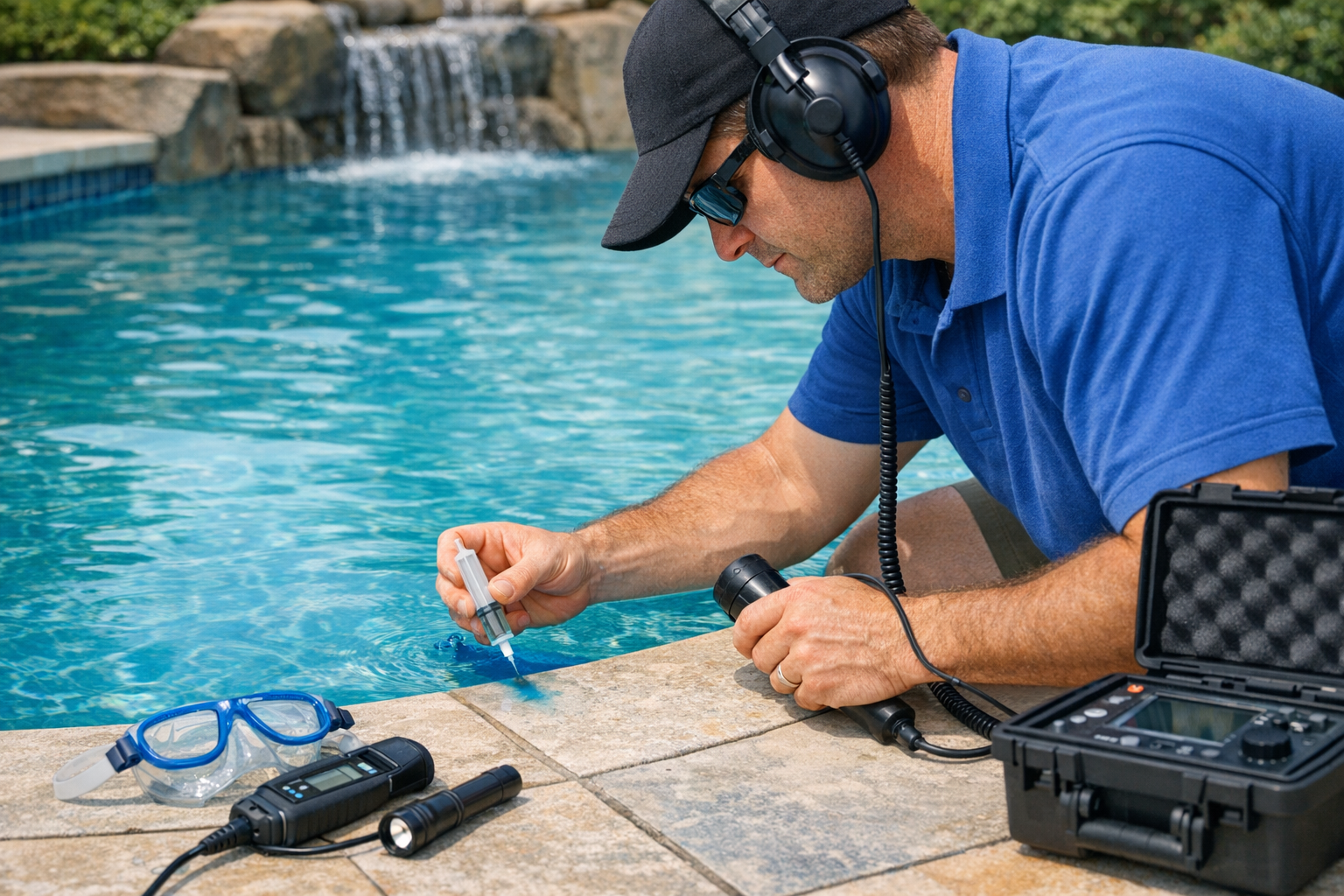
Best Way to Detect a Pool Leak: A Step-by-Step Guide
Is your pool losing water? Use a bucket test to distinguish evaporation from a leak, then inspect fittings and equipment or try a careful dye test. Learn when professional leak detection is the right next step.
Cost of Pool Leak Repair Services: What Homeowners Can Expect
Pool leak repairs can range from a modest fitting fix to a major plumbing or structural job. Explore typical detection fees, repair costs, and ways to plan your budget.
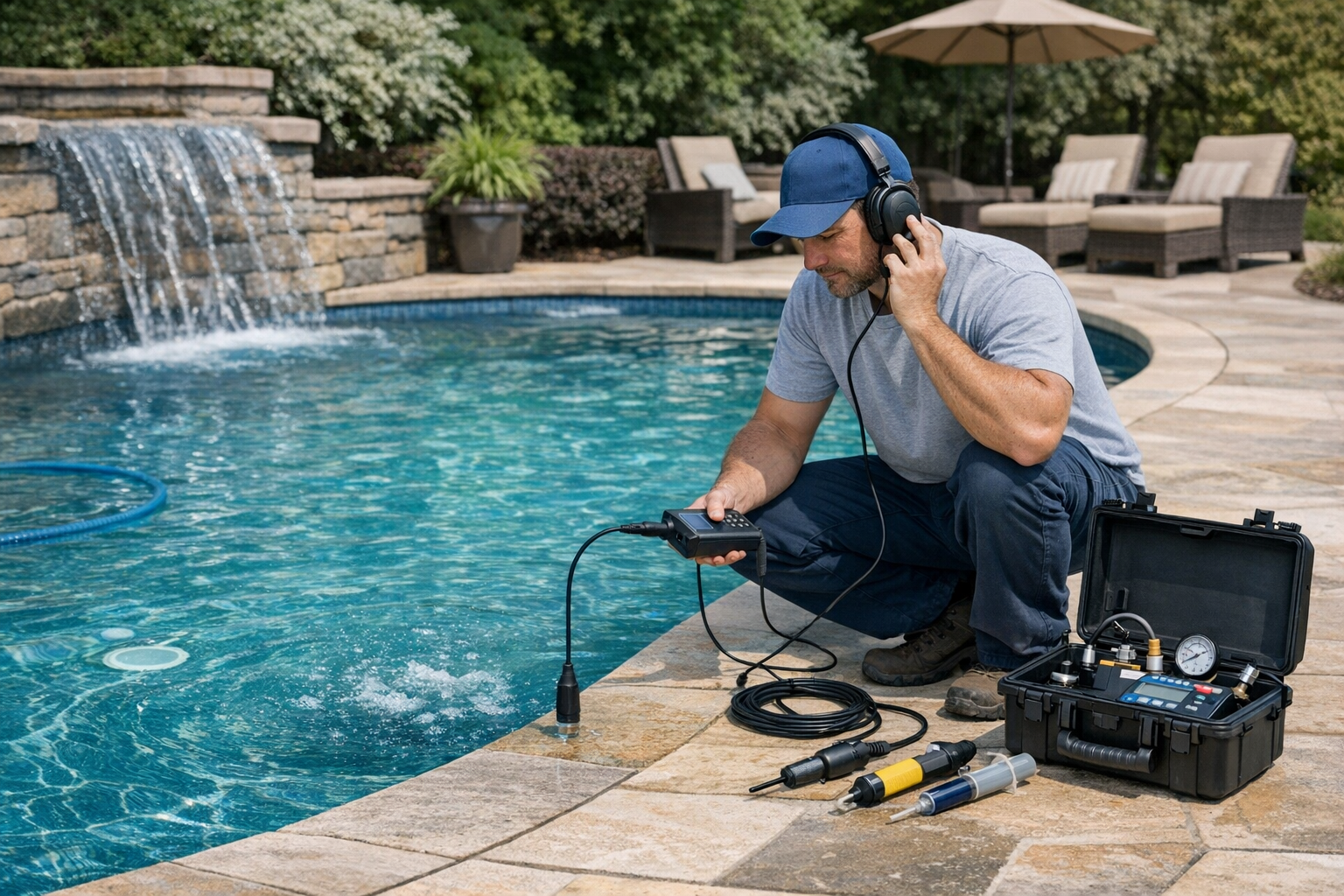
Pool Leak Detection Services: Signs, Methods, and What to Expect
Noticing unexplained water loss? Learn how pool leak detection services find leaks, what tests technicians may use, and what to ask before booking an inspection.
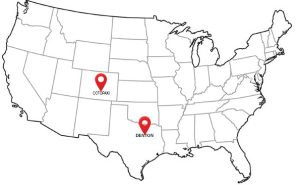
Colin Irons services all of North Texas, Southern Oklahoma, parts of Arkansas, and Louisiana. We also service parts of Colorado. Use our tool below to find your service area.