
Introduction: Why Pool Coping Leaks Matter
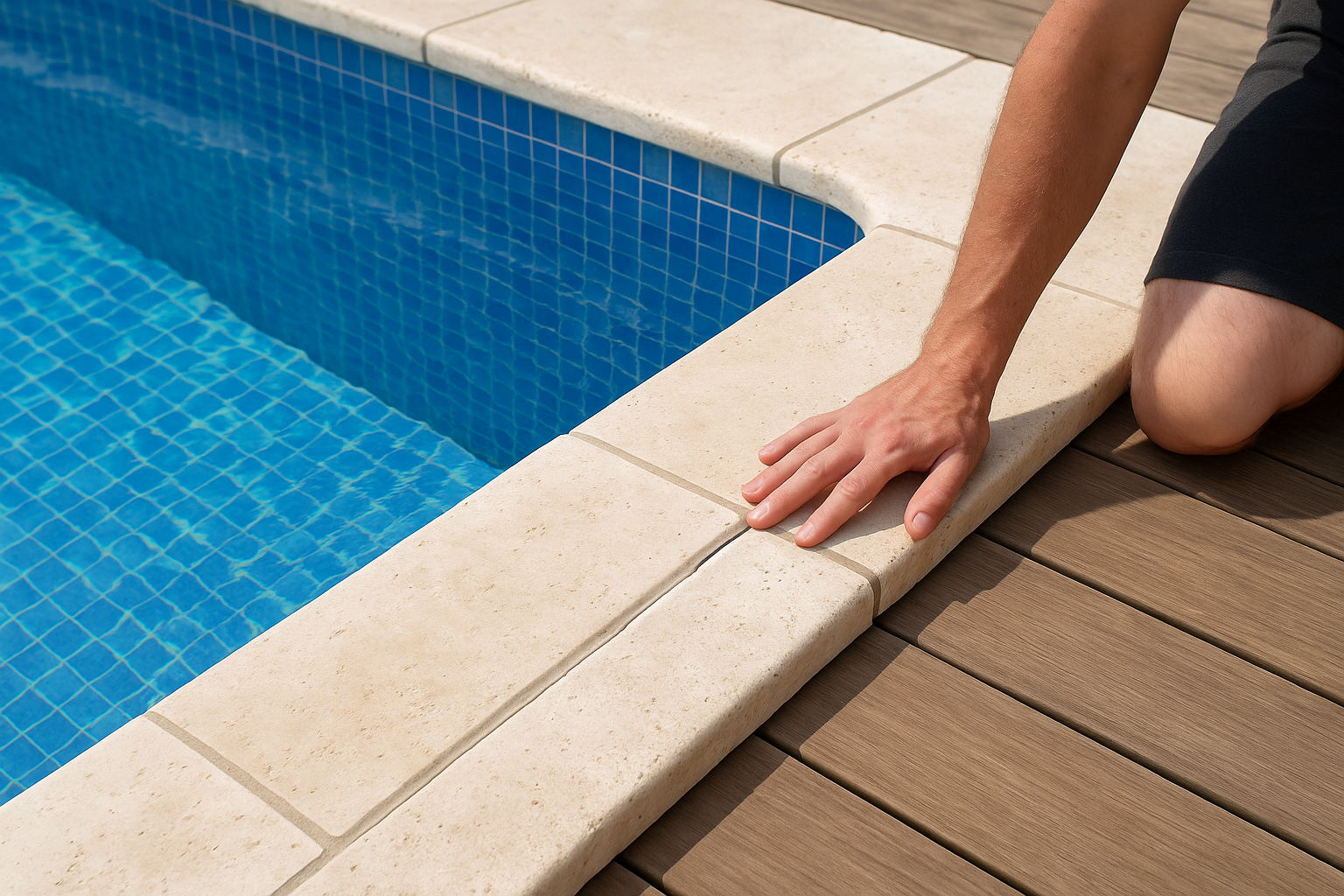
Pool coping is the cap or edging around your pool that joins the deck to the shell. When coping leaks develop, they can cause water loss, damage to the deck or structure, and expensive long-term deterioration. This guide explains common causes, diagnostic steps, practical repair methods, and maintenance tips to keep your coping watertight.
- Understand the problem early to avoid costly structural damage.
- Learn repair methods suited to different materials and leak severity.
Understanding Pool Coping Leaks
Coping leaks occur where the coping meets the pool shell, or through cracked tiles, mortar joints, or failing sealants. They can be subtle—slow water loss—or dramatic, causing visible cracks or pooling water around the deck.
- Leaks often disguise themselves as evaporation; accurate diagnosis is essential.
- Material type (concrete, stone, tile, brick) changes the recommended repair approach.
Common Causes of Coping Leaks
Recognizing the source helps choose the right repair method. Typical causes include age-related deterioration, freeze-thaw cycles, poor installation, movement in the pool structure, and chemical damage.
- Degraded joint sealant or caulking between coping and deck.
- Broken or loose coping stones or tiles.
- Cracked concrete or failing grout and mortar joints.
- Leaks from within the pool shell that migrate to the coping area.
Inspection and Diagnosis
Before repairing, thoroughly inspect the coping and surrounding areas. Use visual checks and simple leak detection techniques to pinpoint the problem.
Visual Inspection
Look for visible cracks, missing grout, loose stones, or damp spots on the deck. Check plumbing and fittings near the coping for secondary leaks.
- Inspect at different times of day to spot wet/dry differences.
- Probe grout and caulk lines for softness or gaps.
Leak Detection Methods
Use bucket tests, dye testing, or professional electronic leak detection for stubborn cases. Dye near suspected joints or cracks to see if it’s drawn into the structure.
- Bucket test vs. pool water: distinguishes evaporation from leaks.
- Dye test: helps trace active seepage paths adjacent to coping.
- Electronic or pressure testing: used for hidden or plumbing-related leaks.
Repair Methods
Repair choice depends on the material and extent of damage. Below are proven methods, from simple resealing to full replacement.
1. Resealing Joints and Re-caulking
Resealing is the first-line fix for minor leaks where sealant has failed. Remove old caulk and use a high-quality silicone or polyurethane pool-grade sealant.
- Best for small gaps and deteriorated caulking.
- Ensure surfaces are dry and clean for proper adhesion.
2. Grout and Mortar Repair
For tile or stone coping, replacing missing or cracked grout and mortar can stop leaks. Use polymer-modified cement or epoxy grout for better durability.
- Chip out loose material and refill with appropriate grout.
- Epoxy grouts are more chemical-resistant but require careful mixing and application.
3. Replacing Damaged Coping Stones or Tiles
When coping pieces are cracked or shifting, remove and replace them. This restores stability and prevents further water intrusion.
- Match replacement material and ensure proper bedding and drainage.
- May require cutting and leveling adjacent pieces for a uniform finish.
4. Epoxy/Injection Repairs
For hidden cracks in concrete or the pool shell near coping, low-pressure epoxy injection can bond the crack internally and stop water migration.
- Effective for structural cracks that are not actively moving.
- Usually performed by professionals for reliable results.
5. Waterproofing Membranes or Flashing
Applying a membrane behind coping or improving flashing can provide long-term waterproofing, especially during renovations.
- Used when repeated leaks occur despite spot repairs.
- Often part of full resurfacing projects or deck replacements.
DIY vs Professional Repair
Minor resealing and grout repairs are DIY-friendly for handy homeowners. Major structural issues, epoxy injections, or hidden plumbing leaks warrant professional evaluation.
- DIY advantages: lower cost, quick fixes for visible issues.
- Professional advantages: accurate diagnosis, warranty, long-term solutions for complex problems.
Preventive Maintenance
Regular inspection and maintenance extend coping life and reduce leaks. Seasonal checks and prompt attention to small cracks save money over time.
- Inspect and re-caulk annually or after harsh weather.
- Keep deck drainage clear to prevent water pooling at coping.
- Balance pool chemistry to avoid accelerated material degradation.
Conclusion
Addressing coping leaks early protects your pool structure and nearby deck. Start with careful inspection, choose the repair method appropriate for the material and damage level, and call a professional for complex or hidden leaks. Routine maintenance will minimize future problems and extend the life of your coping.