
Common Pool Pump Problems
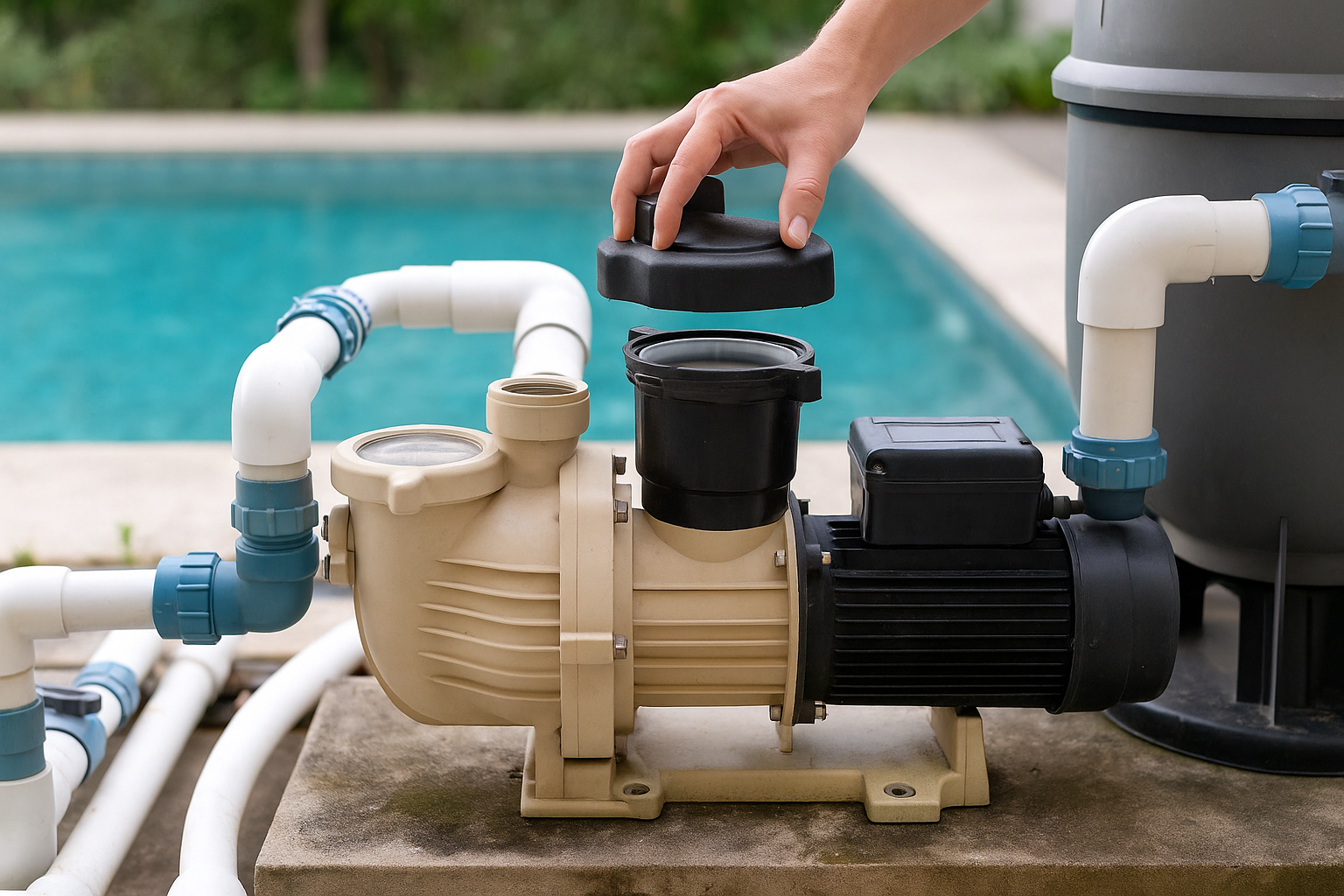
Pool pumps are the heart of your pool’s circulation system. When they malfunction, water quality and equipment lifespan suffer. Below are the most frequent issues owners encounter, explained in plain language with quick indicators to watch for.
No Power or Pump Not Turning On
If the pump won’t start, you’ll notice no vibration, sound, or water flow. This can be sudden or follow a previous electrical event like a storm.
- Signs: dead motor, no humming, tripped breaker.
- Quick checks: circuit breaker, GFCI reset, power at the outlet.
Pump Runs But No Water Flow (Circulation Issues)
The motor may run while the pump basket is full, yet little to no water moves through the system. This reduces filtration and can quickly allow algae growth.
- Signs: low return flow, dirty pool despite pump running.
- Possible causes: clogged skimmer or pump basket, blocked impeller, closed valves.
Air in the System (Air Bubbles or Loss of Prime)
Air entering the pump reduces its efficiency and can cause a rattling sound. Air pockets often lead to cavitation, which damages the impeller over time.
- Signs: sputtering returns, bubbles at return jets, noisy operation.
- Likely sources: loose pump lid o-ring, cracked suction line, low water level.
Leaks Around the Pump
Water leaking from the pump body or fittings is both a performance problem and a hazard—electrical components near water increase risk.
- Signs: visible drips, wet ground around equipment pad, lower pool water level.
- Common culprits: worn seals, cracked housing, loose unions.
Causes Behind These Issues
Understanding root causes helps you make the right repair decisions and prevents repeat problems.
Electrical Problems
- Faulty wiring, bad capacitors, or failed motors can stop a pump from running.
- GFCI trips are common safety responses to moisture or short circuits and should be investigated.
Clogged or Dirty Impeller/Filter
- Leaves, hair, and small debris can jam the impeller or clog filter media, starving the pump of flow.
- Regular skimming and basket cleaning prevent this buildup.
Damaged Seals and O-Rings
- UV exposure, age, and chemical wear degrade rubber parts, allowing air in or water out.
- Replacing O-rings is an inexpensive, effective fix most homeowners can handle.
Incorrect Pump Size or Poor Installation
- An oversized or undersized pump leads to inefficiency, noisy operation, and premature wear.
- Improper plumbing layout (too many elbows or long suction runs) reduces performance.
Diagnostic Steps: How to Troubleshoot Safely
Always prioritize safety—turn off power at the breaker before touching wiring or plumbing. Use these steps to isolate the problem before deciding to repair or call a pro.
- Confirm power: check breaker, GFCI, and outlet with a tester.
- Inspect pump basket and skimmer for debris; clear and re-prime if necessary.
- Listen to the motor: humming may indicate a failed start capacitor; grinding suggests mechanical damage.
- Check for air leaks: examine pump lid o-ring, suction lines, and skimmer weir.
- Look for visible cracks or wet spots on the housing and unions.
- Test flow with valves fully open; ensure multiport valve and check valves are set correctly.
Preventive Maintenance Tips
Routine care extends pump life, improves energy efficiency, and keeps your water clean. Small, consistent actions beat large emergency fixes.
- Weekly: skim, empty skimmer and pump baskets, check pressure gauge.
- Monthly: clean filter (backwash or cartridge clean) and inspect O-rings; lubricate with pool-safe silicone grease.
- Seasonally: winterize if applicable—drain pump and store indoors or protect with antifreeze and cover.
- Annually: inspect motor bearings, electrical connections, and consider professional servicing.
- Upgrade tip: swap to a variable-speed pump to reduce energy use and wear.
When to Call a Professional
Some symptoms require a licensed technician—especially those involving electrical repairs or complex mechanical failures.
- Persistent electrical issues (repeated tripping, burning smells, or smoke).
- Motor bearing failure (loud grinding or excessive vibration).
- Cracked pump housing needing replacement or complex plumbing alterations.
- If troubleshooting steps don’t restore normal flow or if you’re uncomfortable performing checks.
Cost Considerations and Replacement Advice
Deciding whether to repair or replace depends on age, repair cost, and energy efficiency.
- Minor part replacements (seals, O-rings, capacitors) are inexpensive and quick.
- Major repairs (motor replacement) can approach the cost of a new pump—compare options.
- Variable-speed pumps cost more upfront but typically save money over time via lower energy bills and longer life.
Conclusion
Regular inspection and simple maintenance prevent most pool pump issues. Start with basic troubleshooting—check power, clear debris, and inspect seals—then advance to professional help for electrical or major mechanical problems. With routine care, your pump will run efficiently and your pool will stay clean and safe all season.