
Introduction
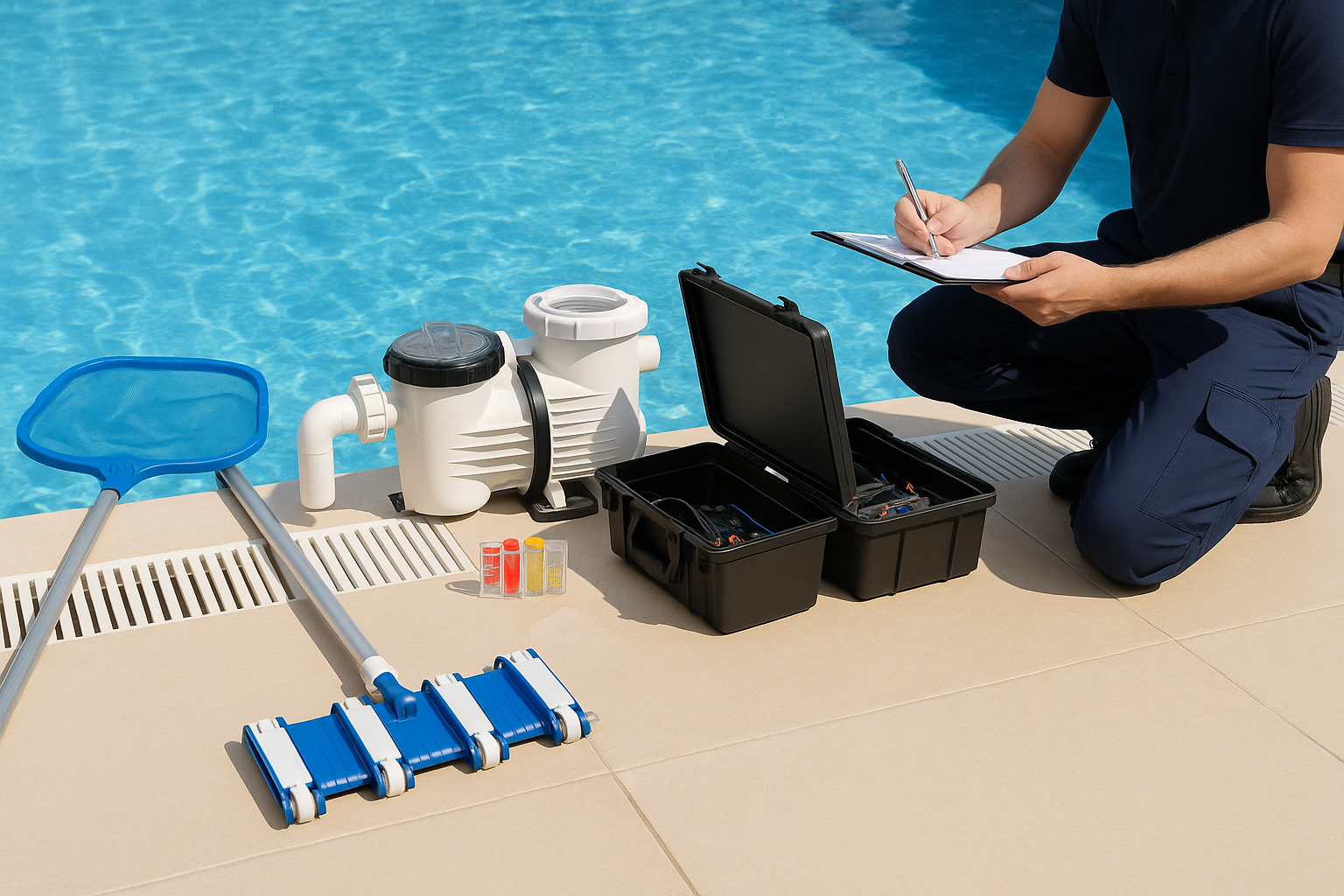
Maintaining a backyard pool is more than balancing chemicals and skimming leaves. Regular pool equipment checks are essential to keep your pool safe, efficient, and enjoyable all season long. This guide explains why routine inspections matter, what to check, how often to do it, and practical tips for DIY owners and when to call a professional.
- Reduces unexpected failures and costly repairs
- Improves energy efficiency and water quality
- Enhances safety for family and guests
Why Regular Checks Matter
Routine inspections catch small issues before they become major problems. A tiny leak, a worn seal, or a clogged filter can quickly escalate into a long downtime or expensive replacement if ignored.
- Prevents major breakdowns by addressing wear and tear early.
- Saves money by extending the life of pumps, filters, and heaters.
- Maintains consistent water chemistry, reducing chemical costs and health risks.
Key Equipment to Inspect
Focus your checks on the components that move water, control flow, and keep the pool safe. Regular attention to these parts ensures efficient operation and reduces the chance of sudden failures.
Pump and Motor
The pump circulates water; if it fails, filtration and heating stop immediately.
- Check for unusual noises or vibrations.
- Inspect seals and lids for leaks or cracks.
- Ensure proper strainer basket condition and clear debris.
Filter
Filters remove debris and contaminants. A clogged filter strains the pump and reduces water clarity.
- Backwash sand or DE filters when pressure rises above recommended levels.
- Clean or replace cartridge elements as specified by the manufacturer.
- Monitor pressure gauges for sudden spikes.
Heater and Heat Pump
Heaters require clean air flow and proper electrical connections to run safely and efficiently.
- Look for error codes, strange smells, or reduced heat output.
- Keep vents clear and remove debris from around the unit.
- Check gas lines or electrical wiring for corrosion or wear.
Chlorinators and Chemical Feeders
Automated feeders control sanitizer levels. Malfunctioning units can cause unsafe water chemistry.
- Verify dosing accuracy against manual test results.
- Clean sensors and replace worn parts as recommended.
- Store chemicals safely and inspect lines for clogs or leaks.
Valves, Skimmers, and Plumbing
Valves and plumbing direct water flow; small leaks or blockages affect circulation and filtration.
- Test valve positions and listen for air in the lines.
- Inspect skimmer baskets and weir doors for proper operation.
- Look for visible leaks, pooling water, or low pressure.
Lights and Safety Devices
Electrical components and safety equipment protect swimmers and the pool area.
- Test lights, GFCIs, and pool alarms regularly.
- Ensure ladders, handrails, and covers are secure and free of damage.
- Replace bulbs with waterproof, appropriate-rated fittings.
Frequency and Simple Checklist
Establish a routine schedule to make checks manageable. Below is a straightforward cadence to follow based on most pool ownership needs.
- Daily/Before Use: Visual check of water clarity, pump running, and hazards around the pool.
- Weekly: Test water chemistry, empty skimmer/those baskets, inspect pump strainer, and check for leaks.
- Monthly: Check filter pressure, clean or backwash filters, inspect equipment pads and covers.
- Seasonally: Service the heater, inspect all valves and lines, clean chemical feeders, and perform a thorough safety device test.
Signs You Need Professional Help
Some issues are best handled by a trained technician to avoid safety risks or voiding warranties.
- Persistent leaks that aren’t traceable or visible.
- Electrical problems, tripped breakers, or GFCI faults.
- Heater malfunctions, strange gas odors, or major pressure issues.
- Unexplained rapid chemical imbalances despite normal dosing.
DIY Tips and Safety Precautions
You can handle many routine checks safely if you follow basic precautions.
- Turn off power before inspecting electrical components.
- Use manufacturer manuals and keep replacement parts on hand.
- Wear gloves and goggles when handling chemicals and avoid mixing products.
- Document maintenance dates and observations to spot patterns over time.
Benefits of Regular Equipment Checks
Consistent inspections provide measurable returns beyond peace of mind.
- Lower long-term maintenance and energy costs.
- Extended lifespan of pumps, filters, and heaters.
- Improved water quality and safer swimming conditions.
- Higher resale value and reduced liability concerns.
Conclusion
Regular pool equipment checks are a small effort with big payoffs: safer swimming, fewer surprises, and better long-term value for your investment. Build a simple routine, act on early warning signs, and call a professional when needed to keep your pool running smoothly all year.