

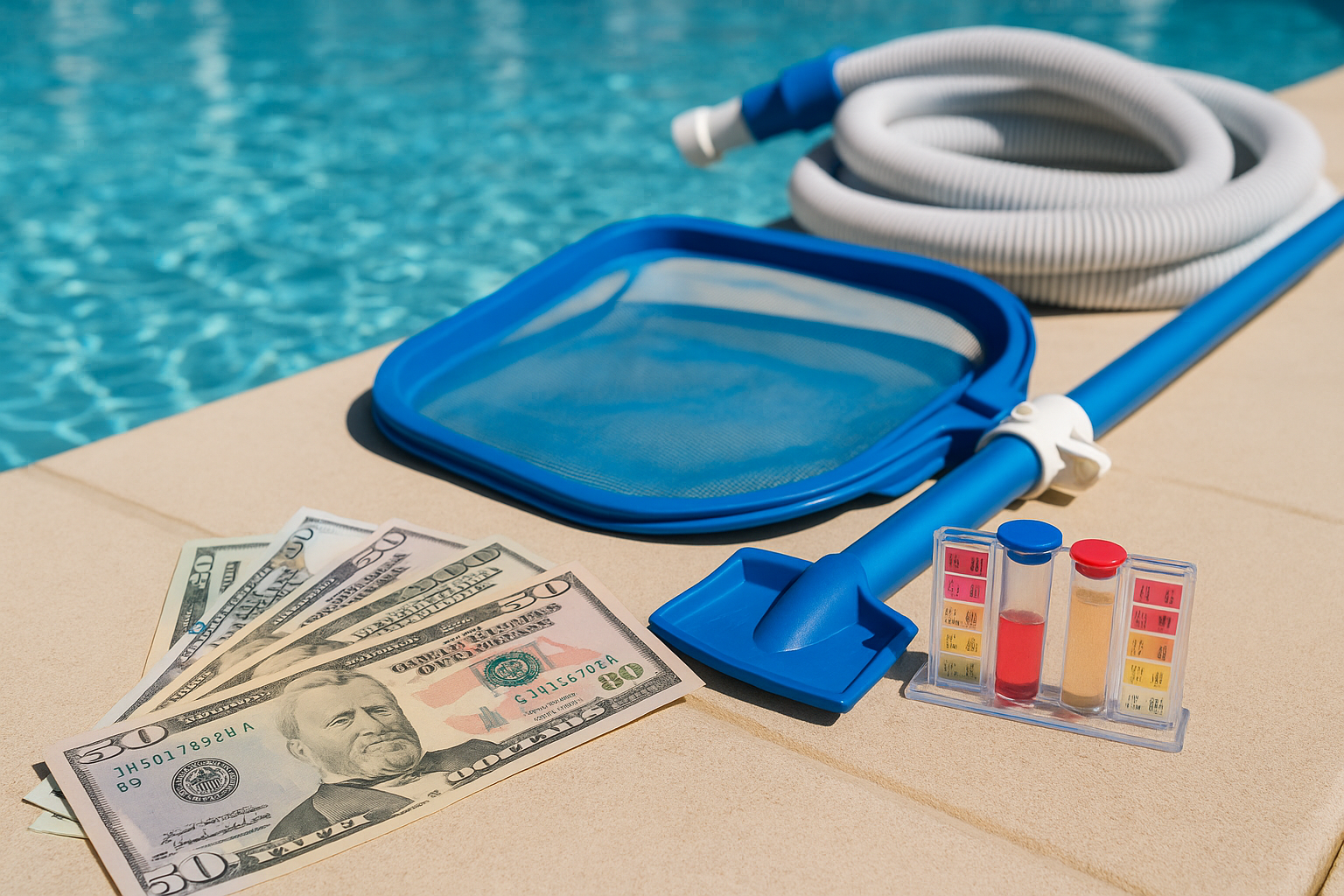
Understanding the High Cost of Pool Maintenance
Owning a pool brings relaxation, exercise, and a backyard oasis—but it also brings ongoing expenses. The high cost of pool maintenance surprises many homeowners who focus only on installation costs. Understanding where your money goes is the first step to making smarter, long-term decisions about pool care and budgeting.
- Maintenance is both routine and unpredictable: weekly chores plus occasional repairs.
- Costs vary by pool size, type (salt vs. chlorine), equipment, and local labor rates.
- Seasonality affects expenses: opening, closing, and heating add seasonal spikes.
Primary Drivers of Pool Maintenance Costs
Several high-impact items consistently drive up pool-related expenses. Addressing these areas intelligently can reduce surprise bills and keep your pool operating efficiently.
Chemicals and Water Treatment
Chemicals maintain water balance and prevent algae and bacteria. While individual bottles seem inexpensive, costs add up through weekly dosing and shock treatments.
- Chlorine or salt: ongoing purchase or salt cell replacement.
- pH balancers, alkalinity increasers, algaecides, and clarifiers.
- Regular testing supplies or professional testing fees.
Equipment and Energy
Pumps, filters, heaters, and automation controls are big-ticket items. Energy to run pumps and heaters is a recurring cost that can dominate monthly bills.
- Pump and filter replacements often range from moderate to expensive depending on quality.
- Pool heaters and gas or electric systems significantly increase operating costs if used frequently.
- Older equipment consumes more electricity; variable-speed pumps save energy long-term.
Labor and Professional Services
Many owners hire weekly cleaners or seasonal technicians for opening/closing pools. Labor costs vary by region and service level—basic skimming vs. deep chemical balancing and equipment repair.
- Routine cleaning services vs. one-time specialist repairs.
- Emergency call-outs and diagnostic fees for leaks or electrical issues.
- Inspections and permit-related work in some areas can add to costs.
Common One-Time and Unexpected Expenses
Beyond predictable line items, several issues can create large one-time expenses that push your annual spend higher.
- Resurfacing or replastering a pool can be several thousand dollars.
- Replacement of pumps, heaters, or salt cells can be costly but necessary.
- Repairing cracks, leaks, or tile work often requires professional intervention.
Practical Ways to Reduce Pool Maintenance Costs
While some costs are unavoidable, many steps can cut your annual bills without sacrificing water quality or safety.
Preventive Maintenance
Routine care prevents small issues from becoming expensive repairs. A little attention saves a lot over time.
- Skim, brush, and vacuum regularly to reduce chemical needs.
- Check and clean filters monthly to maintain circulation efficiency.
- Monitor water chemistry weekly to avoid shock treatments and algae outbreaks.
Energy Efficiency Upgrades
Investing in energy-efficient equipment can reduce utility bills and pay for itself over several seasons.
- Install a variable-speed pump to save on electricity (often 50–75% savings vs. single-speed).
- Use a pool cover to cut evaporation, heat loss, and chemical consumption.
- Consider solar or high-efficiency heaters for long-term savings.
Smart Purchasing and Scheduling
Small changes in how and when you buy services and supplies can lower yearly costs.
- Buy chemicals in bulk or during off-season sales.
- Bundle services with a reputable company to get better rates.
- Schedule major maintenance in shoulder seasons when demand and rates are lower.
Budgeting and Long-Term Planning
Plan for both routine and unexpected costs by creating a dedicated pool budget. Knowing your average monthly and annual spend helps avoid surprises.
- Estimate typical monthly costs (chemicals, electricity, small parts) and set aside a repair fund.
- Save for major future expenses: resurfacing, heater replacement, or remodeling.
- Regularly review equipment age and performance; a planned replacement often costs less than emergency fixes.
When to Call a Professional
If you spot electrical issues, significant leaks, rapid chemical imbalances, or failing equipment, call a licensed technician. Timely professional intervention can prevent higher repair costs later.
- Persistent cloudiness or chemical instability despite correct dosing.
- Unusual noises from pumps or repeated tripping of breakers.
- Visible structural damage, tile loss, or unexplained water loss.
Conclusion
The high cost of pool maintenance comes from a mix of regular operational expenses and occasional large repairs. With preventive care, smart upgrades, and good budgeting, you can enjoy your pool while keeping costs manageable. Small investments in efficiency and routine attention pay dividends over time—turning a costly chore into a sustainable lifestyle feature.