
Why Cleaning Pool Filters Is Challenging
Keeping a pool filter clean is essential for water clarity and pump health, but many homeowners find the task unexpectedly difficult. Difficulty can come from the design of the filter, the type of debris, chemical buildup, or simply not knowing the right technique. Understanding the reasons behind the challenge helps you troubleshoot faster and avoid repeated, frustrating attempts.
- Filters trap a wide range of contaminants—algae, oils, hair, and fine silt—which vary in how they bind to filter media.
- Different filter types require different cleaning methods and tools.
- Mineral scale and chemical deposits can become cement-like if not addressed promptly.
- Accessibility and heavy components (like multi-plate cartridges) make the job physically demanding.
Types of Pool Filters and Why They Matter
Your cleaning approach depends heavily on whether you have a sand, cartridge, or diatomaceous earth (DE) filter. Each has unique failure modes and cleaning steps.
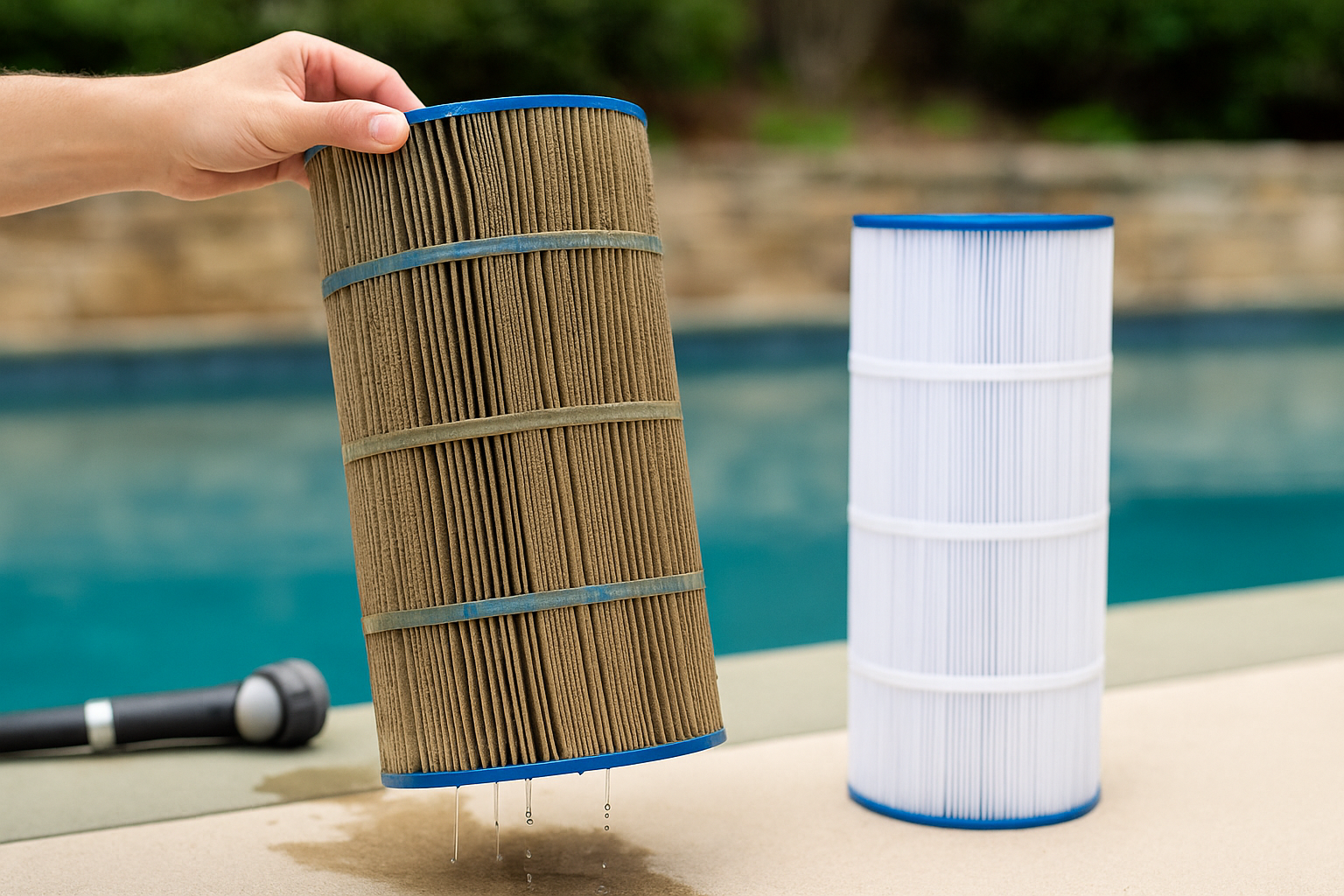
- Cartridge filters: Effective at trapping fine particles but require removal and rinsing or chemical soaking. Crevices and pleats can trap debris that ordinary rinsing won’t remove.
- Sand filters: Easier for heavy debris via backwashing, but organic oils and finer silt can accumulate on the sand and reduce efficiency.
- DE filters: Highly efficient but messy—rebuilding or backwashing plus recharging with DE powder is required, and clogged grids need careful cleaning.
Common Obstacles During Cleaning
Knowing common issues lets you prepare properly and reduce time spent on repeat cleaning.
- Hard water scale and calcium deposits resisting normal cleaning methods.
- Biological growth (biofilm and algae) that adheres strongly to filter surfaces.
- Worn seals, O-rings, or missing parts causing leaks or incomplete cleaning cycles.
- Poorly maintained plumbing valves or clogged pump baskets limiting flow during backwash.
Practical Tips to Make Cleaning Easier
Adopting the right tools, a simple routine, and targeted cleaning methods can drastically reduce the difficulty of filter maintenance.
Tools and Supplies You’ll Need
Having the right kit on hand saves time and frustration.
- Garden hose with a high-pressure nozzle for rinsing cartridges or grids.
- Filter cleaner or a diluted muriatic acid solution (used carefully) for heavy scale.
- Soft brush and non-abrasive scrub pads for removing biofilm from pleats or grids.
- Replacement O-rings, lubricant, and a basic tool set for disassembly and reassembly.
- Protective gloves and eyewear, especially when handling chemicals or DE powder.
Step-by-Step Cleaning for Each Filter Type
Follow these concise steps to clean your specific filter safely and effectively.
- Cartridge filters:
- Turn off the pump and relieve pressure. Remove cartridges carefully.
- Rinse with a high-pressure hose, working top to bottom along pleats.
- Soak in a filter-cleaning solution overnight if oils or deep stains persist, then rinse again.
- Inspect for tears; replace cartridges every 2–3 seasons or sooner if damaged.
- Sand filters:
- Backwash according to the manufacturer until the water runs clear.
- Inspect the pressure gauge—if pressure remains high, consider a sand replacement or deep cleaning with a sand cleaner.
- Replace sand every 5–7 years depending on pool usage and water chemistry.
- DE filters:
- Backwash to remove loose debris, then open the tank and inspect grids.
- Rinse grids with a hose; soak in a DE/grid cleaner if clogged with oil or scale.
- Allow components to dry before reassembling and recharging with fresh DE powder as per specs.
Preventive Maintenance to Reduce Difficulty
Prevention is the easiest way to avoid hard cleaning jobs. Small habits lead to cleaner filters, longer life, and fewer surprises.
Routine Schedule and Simple Habits
Stick to a schedule and keep records of maintenance tasks to catch problems early.
- Check pressure gauges weekly; clean or backwash when pressure rises 8–10 psi above baseline.
- Rinse cartridges monthly and perform a deep soak once per season.
- Maintain balanced water chemistry—alkalinity, pH, and sanitizer levels reduce scale and biofilm buildup.
- Skim and vacuum the pool regularly to minimize the load on filters.
When to Call a Professional
Some issues are worth handing off to a pro, especially when safety, warranty, or complex repairs are involved.
- Persistent high pressure that doesn’t improve after cleaning.
- Damaged filter components, leaks, or difficult-to-reach installations.
- Confusing multi-valve setups or when using strong chemicals like muriatic acid.
Conclusion
Cleaning pool filters can feel daunting, but understanding the specific challenges for cartridge, sand, and DE filters makes the task manageable. With the right tools, a consistent routine, and timely professional help when needed, you can keep your filters efficient and your pool water clear without unnecessary frustration.