
Why Temporary Pool Leak Repairs Often Fail
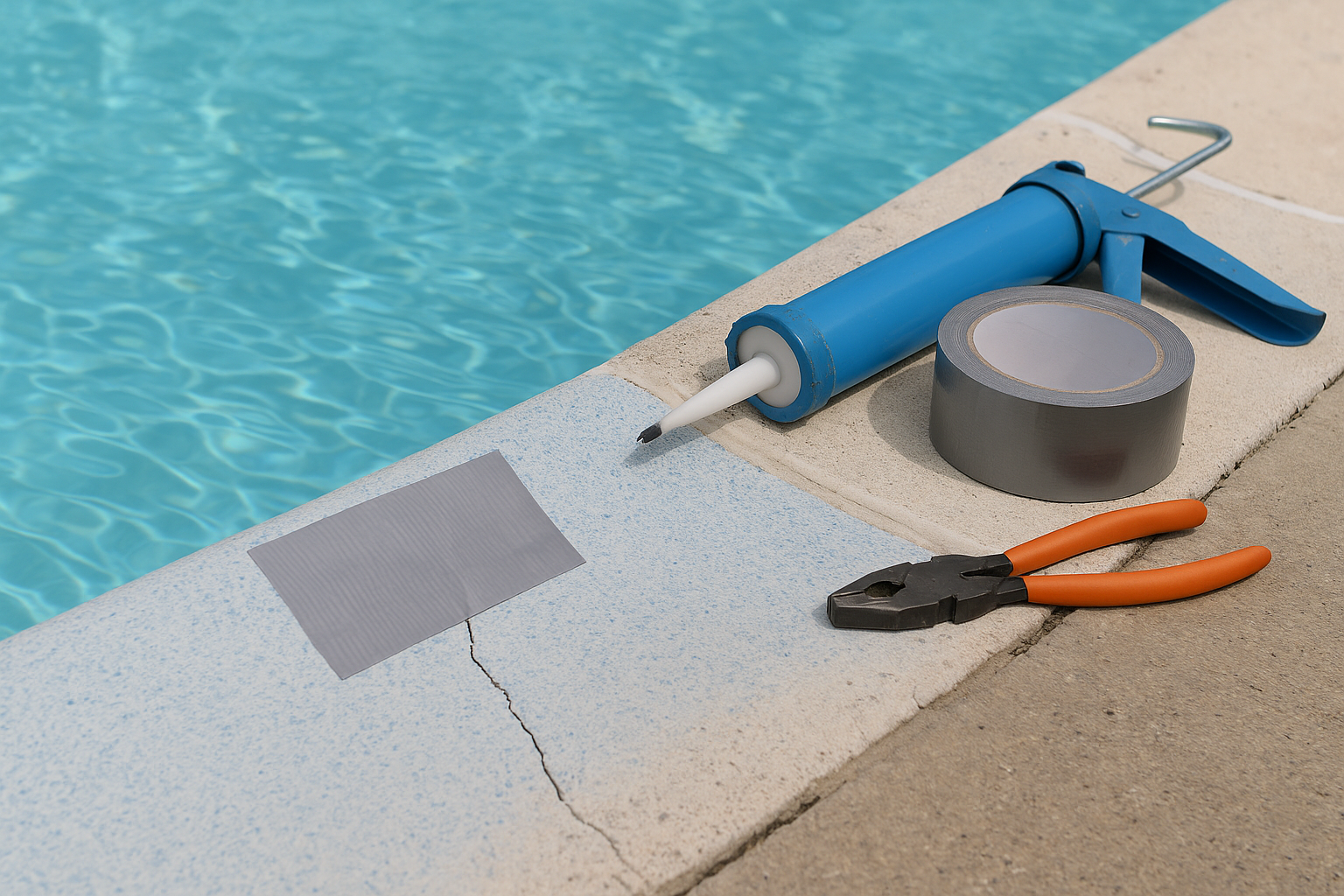
When a pool starts losing water, it can be tempting to reach for a fast fix. Sealants, patch kits, and quick repairs may seem like an easy way to stop the problem without disrupting your routine or spending too much upfront. However, temporary pool leak repairs are often ineffective because they only address the symptoms, not the source of the leak.
In many cases, a pool leak is tied to aging plumbing, structural cracks, worn fittings, or damaged equipment. A temporary patch may slow the leak for a short time, but it rarely solves the underlying issue. As a result, pool owners often end up dealing with repeated water loss, ongoing maintenance costs, and even more serious damage later on.
Understanding why these short-term fixes fall short can help you make a smarter decision for your pool, your budget, and your peace of mind.
Temporary Repairs Only Mask the Real Problem
Most temporary leak repairs are designed to reduce visible water loss, not eliminate the actual cause. That means the leak may still be active behind the scenes, slowly worsening over time.
- Patch products may cover a crack without sealing it completely.
- Leak sealants can travel through the system, but they do not always reach the exact source.
- Quick fixes may work on one area while another hidden leak continues to spread.
This is especially risky because pool leaks are not always easy to detect. A small crack in a pipe or shell may seem minor at first, but continuous water pressure can make it grow. What starts as a temporary solution often turns into a recurring issue.
Water Loss Can Continue Even After a Patch
One of the biggest problems with temporary pool leak repairs is that they often fail to stop water loss completely. Even a small leak can waste hundreds of gallons of water over time, and a partial repair may only slow that loss instead of ending it.
- Evaporation may be mistaken for a successful repair.
- Minor leaks can reappear when water pressure changes.
- Seasonal temperature shifts may cause patched materials to expand and contract.
If the pool continues dropping water levels after a repair, the issue may be larger than it first appeared. That can lead to frequent refills, higher utility bills, and a harder-to-manage pool overall.
Temporary Fixes Can Delay Proper Diagnosis
Another major downside of relying on short-term repairs is that they can delay a proper leak inspection. When a temporary solution seems to work, pool owners may assume the problem is gone and postpone professional assessment.
That delay can be costly because many pool leaks are best fixed once they are accurately located. A complete diagnosis can reveal whether the issue is in the:
- Pool shell
- Plumbing lines
- Skimmer
- Return fittings
- Light niches
- Equipment pad
Without identifying the exact source, you may keep applying repairs to the wrong area. In the end, this often results in wasted money and more frustration.
Temporary Pool Leak Repairs Can Lead to Bigger Damage
A leak is not just a water problem. It can also create structural and mechanical damage if it is left unresolved. Temporary repairs may reduce visible symptoms, but they do not prevent the long-term effects of moisture infiltration and continued stress on the system.
- Soil erosion around the pool can weaken surrounding support.
- Water loss may damage pumps, filters, and other equipment.
- Cracks can spread when the original issue is not fully addressed.
- Persistent leaking may affect decking, coping, or nearby landscaping.
For many pool owners, the true cost of a temporary repair is not the patch itself, but the damage that continues while the leak remains active. Fixing the problem early with a lasting solution is often far more affordable than dealing with repairs later.
Not All Leak Products Work the Same Way
The pool industry offers many products marketed as fast leak solutions, but not all of them are effective in every situation. A product that works for a tiny pinhole leak in one pool may do very little for a structural crack or underground pipe issue.
Factors that affect results include:
- The location of the leak
- The size of the leak
- The type of pool surface or plumbing material
- The age and condition of the pool system
- How much water pressure is present
Because of these variables, temporary products often provide inconsistent results. A repair that looks successful on the surface may not hold once the pool is under normal operating conditions.
Professional Repair Provides a More Reliable Solution
Instead of relying on short-lived fixes, a professional leak detection and repair process can identify and correct the real issue. This approach may take more time initially, but it usually saves money and stress in the long run.
Professional repair offers several advantages:
- Accurate leak detection using specialized tools
- Targeted repairs based on the exact source of the problem
- Reduced risk of repeat leaks
- Protection for pool equipment and surrounding structures
In many cases, a thorough inspection can also uncover hidden concerns you might not notice on your own. That makes it possible to repair the pool before the damage gets worse.
When a Temporary Fix Might Be Acceptable
There are limited situations where a temporary repair may be useful, such as slowing water loss until a technician arrives or preventing additional damage in an emergency. Even then, it should only be considered a short-term step, not a final solution.
- Use temporary fixes to buy time, not replace real repair work.
- Monitor water levels closely after any patch is applied.
- Schedule a full inspection as soon as possible.
If the leak is significant or the cause is unknown, it is usually better to move straight to professional diagnosis instead of relying on repeated patching.
Conclusion
Temporary pool leak repairs may seem convenient, but they rarely provide a lasting answer. Because they often mask the true problem, allow continued water loss, and delay proper diagnosis, these quick fixes can end up costing more over time. A professional, targeted repair is usually the safest and most effective way to protect your pool and avoid repeated frustration.