
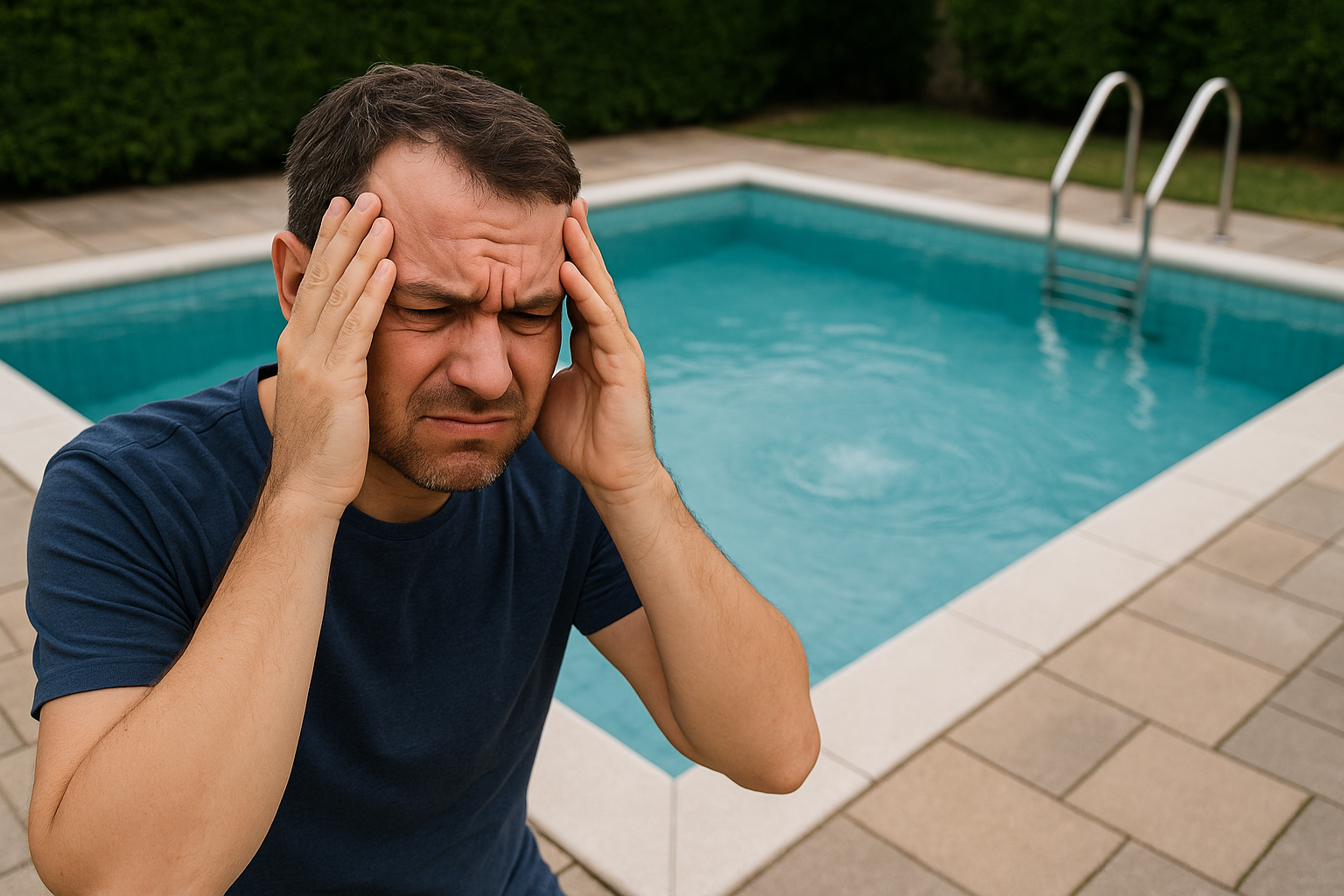
If you’ve dealt with a pool leak more than once, you already know how exhausting it can be. One month the water level seems fine, and the next you’re topping it off again, watching your chemicals disappear, and wondering whether the same problem is back for another round. Recurring pool leaks are not just inconvenient—they can be expensive, stressful, and incredibly frustrating for any pool owner.
The good news is that repeated leaks usually point to an underlying issue that can be identified and fixed. Once you understand why leaks keep coming back, you can take the right steps to protect your pool, your budget, and your peace of mind.
Why Recurring Pool Leaks Are So Frustrating
A single leak is annoying. A leak that keeps returning feels like a never-ending problem. Many pool owners assume the issue was repaired the first time, only to find out the original fix was incomplete or the true source was never found.
Recurring leaks are frustrating because they often create a cycle of wasted time and money. You may notice:
- Constantly dropping water levels
- Higher water bills from repeated refilling
- Unstable chemical balance
- Damage to decking, plumbing, or landscaping
- Stress over whether the pool is safe to use
When the same symptoms return again and again, it can feel like you’re managing the problem instead of solving it.
Common Causes of Repeated Pool Leaks
To stop recurring leaks, it helps to understand what typically causes them. Some issues are simple, while others require professional inspection and repair.
1. Plumbing Problems
Pool plumbing runs underground and behind walls, which means small cracks or loose fittings can be hard to detect. If a repair was made on one section but another pipe remains damaged, the leak may come back quickly.
- Cracked pipes
- Loose connections
- Worn seals
- Failing valves
2. Equipment Wear and Tear
Pumps, filters, heaters, and other equipment all have seals and gaskets that can degrade over time. If these parts are not replaced properly, or if one failing component is missed, water loss may continue.
- Pump lid leaks
- Filter tank cracks
- Heater housing damage
- Broken O-rings and gaskets
3. Structural Cracks
Cracks in the pool shell, tile line, or skimmer area can be a source of ongoing leakage. These issues may appear repaired on the surface but reopen if the underlying stress remains.
- Settlement in the ground
- Freeze-thaw movement
- Age-related surface damage
- Poor-quality patching
4. Poor Previous Repairs
One of the biggest reasons leaks recur is that the first repair only treated the symptom, not the cause. A quick patch may slow the leak for a while, but without a full diagnosis, the problem often returns.
- Temporary sealants that fail
- Incorrect leak location
- Missed secondary damage
- Low-quality repair materials
Signs Your Pool Leak Wasn’t Fully Fixed
If you’re unsure whether the leak is truly gone, pay attention to the warning signs. Some symptoms show up right away, while others develop gradually.
- The water level drops at the same rate as before
- You keep needing to refill the pool
- Wet spots appear near plumbing or equipment
- The pump loses prime
- Air bubbles show up in return lines
- The area around the pool becomes soggy or eroded
These signs often mean the repair was partial, the leak has shifted, or another problem exists elsewhere in the system.
What to Do When a Leak Keeps Coming Back
Recurring leaks call for a more thorough approach. Instead of patching the same area repeatedly, focus on finding the real source of the water loss.
Inspect the Entire System
Start with a complete inspection of the pool structure, plumbing, and equipment. A professional leak detection service can often identify problems that are impossible to see from the surface.
- Pressure testing lines
- Checking fittings and seals
- Reviewing the skimmer and returns
- Examining the pool shell for cracks
Track Water Loss Carefully
Keeping a record of water levels can reveal patterns. If the leak worsens when the pump runs, it may be a plumbing issue. If water loss happens even when the pool is off, the shell or fittings may be to blame.
- Monitor daily water levels
- Note weather conditions
- Record pump run times
- Observe changes after repairs
Use Quality Repairs the First Time
Once the source is identified, make sure the repair is done with durable materials and the right method for the problem. A proper repair is almost always cheaper than repeated temporary fixes.
- Replace worn parts instead of patching them
- Use pool-safe materials
- Address surrounding damage
- Test the repair thoroughly
How to Prevent Future Pool Leaks
The best way to avoid recurring pool leaks is with regular maintenance and early intervention. Small issues are much easier to fix before they turn into major headaches.
- Schedule routine inspections
- Maintain proper water chemistry
- Check equipment for wear each season
- Watch for settling, cracks, or erosion
- Repair minor damage quickly
Preventive care not only helps extend the life of your pool but also reduces the chances of expensive repeat repairs.
When to Call a Pool Leak Professional
If the leak keeps coming back, professional help is often the fastest path to a real solution. A trained technician can use specialized tools to locate hidden leaks, test plumbing lines, and determine whether the problem is in the structure or equipment.
You should consider calling a professional if:
- You’ve already repaired the same area more than once
- The water loss is getting worse
- You can’t identify the leak source
- There is visible damage to the pool shell or deck
- You suspect underground plumbing issues
Recurring leaks are rarely random. With the right diagnosis, they can be fixed correctly and kept from returning.
Final Thoughts
Frustration with recurring pool leaks is completely understandable, especially when the problem seems to reappear after every repair. But repeated leaks usually mean the root cause still needs attention. By taking a systematic approach, documenting symptoms, and investing in a proper fix, you can finally break the cycle and get back to enjoying your pool without constant worry.