
Why Accurate Pool Water Level Readings Matter
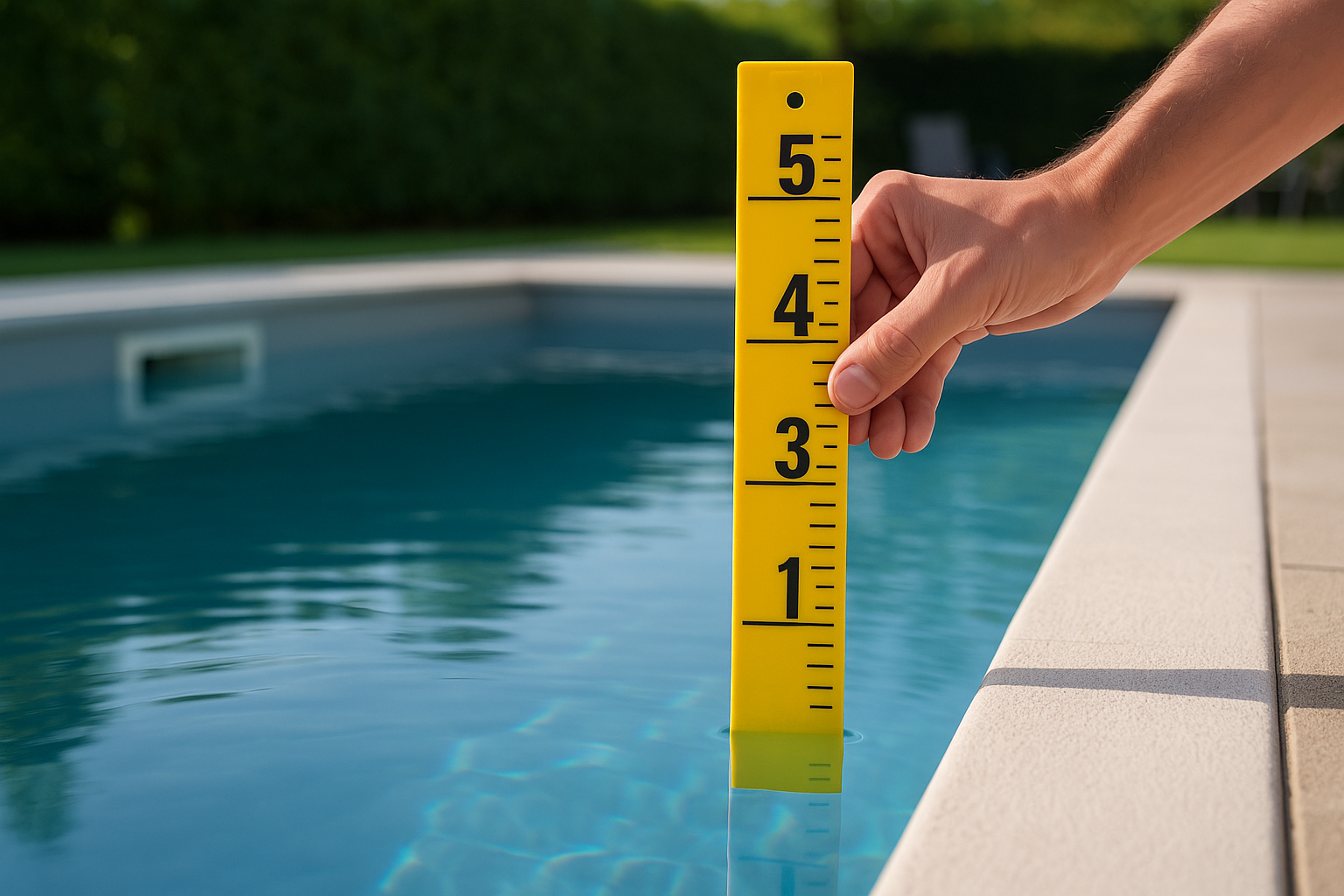
Keeping an eye on your pool water level is one of the simplest ways to protect your pool equipment and water quality. When readings are inaccurate, you may overfill the pool, miss a hidden leak, or allow the pump to run with too little water. Any of these issues can lead to costly repairs and unnecessary frustration.
A reliable pool water level reading helps you:
- Protect the pump and filter from air damage
- Spot leaks before they become major problems
- Maintain proper skimmer function
- Keep circulation and sanitation balanced
- Avoid wasting water through overfilling
If your pool water level seems off, the problem may be the reading itself rather than the water. Understanding the common causes can help you identify the issue quickly.
Common Causes of Inaccurate Pool Water Level Readings
Inaccurate readings can happen for several reasons, ranging from simple equipment issues to environmental factors. Before assuming you have a major leak, it helps to rule out the most common culprits.
1. Dirty or Blocked Sensors
Many modern pools use automatic water level sensors to monitor the water line. Over time, these sensors can become coated with calcium, algae, sunscreen residue, or debris. When that happens, the sensor may report the wrong level or stop working altogether.
- Mineral buildup can interfere with sensor accuracy
- Debris may block the sensor from contacting water properly
- Algae and grime can create false readings
Regular cleaning is often enough to restore accurate performance.
2. Floating Debris and Surface Disturbance
Leaves, toys, automatic cleaners, and heavy surface agitation can all affect how a pool water level appears. If your pool has a floating skimmer or sensor, waves and ripples may cause inconsistent readings.
- Wind can push water against one side of the pool
- Swimmers can temporarily change the visible water line
- Pumps and jets may create movement that distorts sensor readings
For the best results, check the level when the pool is calm and undisturbed.
3. Damaged or Misaligned Equipment
Water level monitoring devices can shift, loosen, or wear out over time. If the sensor is not installed correctly, the reading may be too high or too low. Mechanical float devices can also stick, which makes them unreliable.
- Loose mounting brackets can change the sensor position
- Worn floats may no longer move freely
- Cracked housings can let water or air affect performance
A quick inspection can reveal whether the system needs adjustment or replacement.
4. Evaporation and Weather Changes
Hot weather, strong sun, low humidity, and windy conditions can cause pool water to evaporate faster than expected. Rain, on the other hand, can temporarily make the level look high. These natural changes may make it seem like the reading is inaccurate when the water level is simply fluctuating.
- Summer heat increases evaporation
- Wind accelerates moisture loss
- Rain can raise the level quickly and create confusion
Because weather affects water level so much, it is best to compare readings over several days instead of relying on one measurement.
5. Hidden Leaks or Plumbing Issues
Sometimes inaccurate pool water level readings are actually the first sign of a larger problem. A leak in the shell, plumbing, skimmer, or equipment pad can cause water loss that seems random or hard to track. If your level keeps dropping even after refilling, a leak may be the real cause.
- Leaks can occur in return lines or suction lines
- Cracks around skimmers or fittings may drain water slowly
- Equipment leaks can make the level appear inconsistent
Persistent water loss should always be investigated quickly to avoid further damage.
How to Tell If the Reading Is Wrong
Not every low or high reading means there is a problem with the pool itself. In many cases, you can verify the level by using a few simple checks. This helps you determine whether the issue is with the sensor, the pool, or the method of measurement.
Use these steps to confirm accuracy:
- Compare the reading with a manual visual check at the skimmer
- Measure the water level at the same time each day
- Turn off fountains, waterfalls, and other water features before checking
- Inspect the sensor or gauge for buildup or debris
- Watch for unusual changes after rain, heavy use, or hot weather
If the manual check and the sensor reading do not match, the device may need attention.
How to Fix Inaccurate Pool Water Level Readings
Once you know the cause, fixing inaccurate readings usually becomes much easier. Some problems require only a few minutes of maintenance, while others may need professional help.
Clean the Sensor or Gauge
Remove mineral deposits, algae, and debris from the monitoring device using a soft cloth and a pool-safe cleaner. Avoid harsh tools that could scratch delicate parts.
- Rinse the sensor thoroughly after cleaning
- Check for stubborn calcium buildup
- Make cleaning part of your regular pool maintenance routine
Reposition or Reset the Device
If the sensor has shifted out of place, adjust it according to the manufacturer’s instructions. For digital systems, a reset may correct calibration errors and restore accurate measurements.
- Make sure the sensor sits at the correct water line
- Confirm the unit is level and secure
- Recalibrate if the system allows it
Check for Leaks and Water Loss
If the pool water level keeps dropping, perform a leak check. Look around fittings, plumbing connections, skimmers, and the pool shell. A bucket test can also help determine whether water loss is from evaporation or a leak.
- Monitor the water level over 24 to 48 hours
- Inspect the equipment pad for wet spots
- Look for air bubbles in the return jets, which may signal suction-side issues
Replace Worn Parts
Sometimes repair is not enough. If the float, sensor, or gauge is old, cracked, or malfunctioning, replacement may be the most reliable solution. Upgrading to a newer model can also improve long-term accuracy.
Preventing Future Water Level Problems
The best way to avoid inaccurate pool water level readings is to stay ahead of maintenance. A little routine care can save you from bigger problems later.
- Clean sensors and skimmers regularly
- Check the water level at least once a week
- Inspect equipment after storms or heavy use
- Keep the pool chemistry balanced to reduce buildup
- Schedule seasonal inspections for plumbing and monitoring equipment
Consistency matters. When you track the water level over time, it becomes easier to notice subtle changes before they turn into expensive repairs.
When to Call a Pool Professional
If you have cleaned the sensor, checked for visible issues, and still cannot trust the readings, it may be time to bring in a professional. A trained pool technician can test the system, find hidden leaks, and determine whether the monitoring device needs repair or replacement.
Consider calling a professional if:
- The readings change dramatically without explanation
- You suspect a leak but cannot find the source
- The sensor repeatedly fails after cleaning
- Your pool equipment is running dry or losing prime
Conclusion
Inaccurate pool water level readings can be frustrating, but they are usually manageable once you identify the cause. Dirty sensors, weather changes, damaged equipment, and hidden leaks are among the most common reasons for unreliable readings. With regular checks, proper cleaning, and prompt repairs, you can keep your pool water level accurate and your equipment protected.
If you notice repeated inconsistencies, do not ignore them. A quick response now can prevent bigger issues later and help keep your pool running smoothly all season long.