
Understanding Why Above Ground Pool Leaks Are Challenging
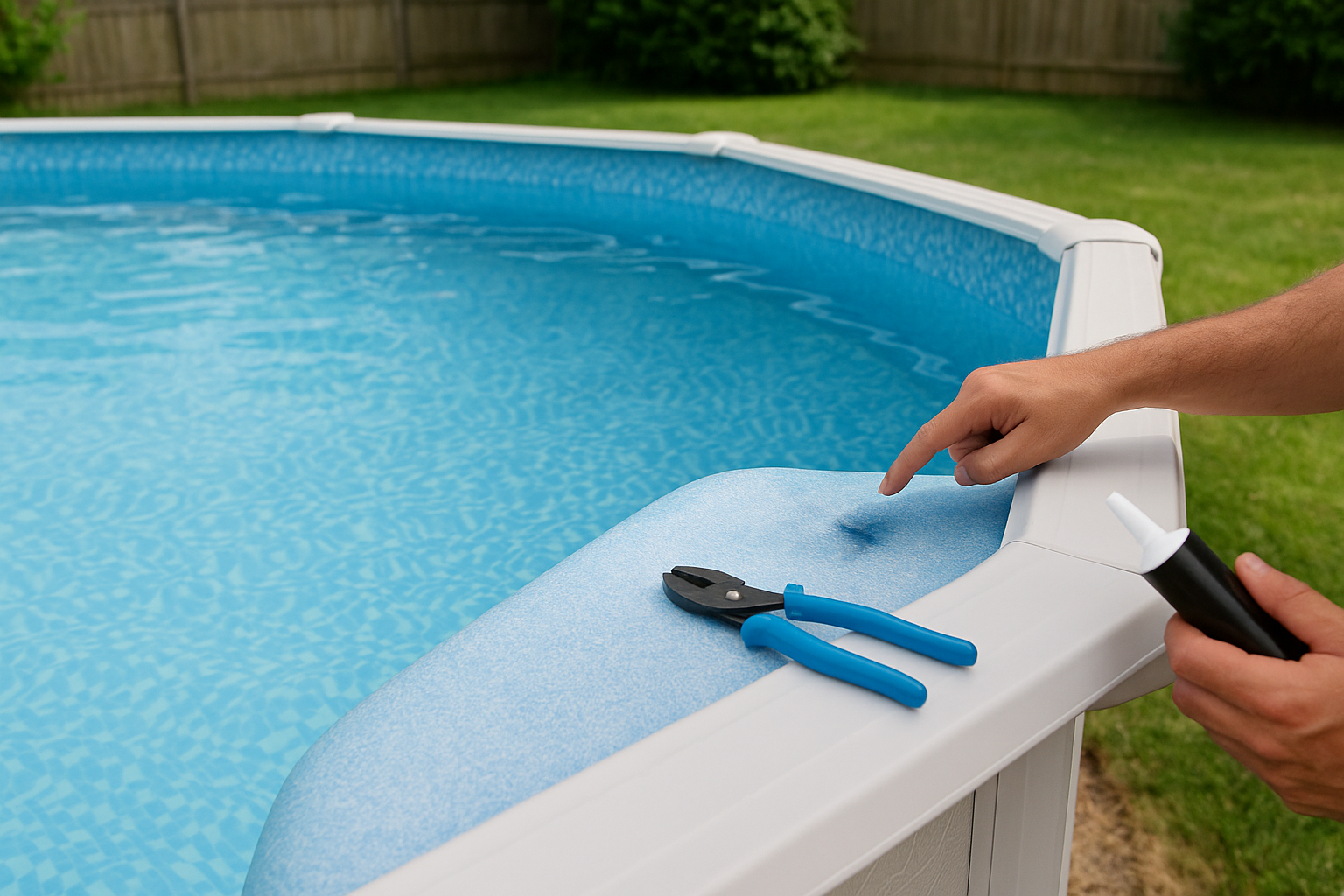
Above ground pools are popular for their affordability and ease of installation, but leaks present a unique set of headaches. Unlike in-ground pools, above ground pools combine a flexible liner with a supporting frame and exposed plumbing. This combination makes locating, diagnosing, and fixing leaks more complicated than it first appears.
- Leaks can be slow and intermittent, hiding beneath normal evaporation rates.
- The liner, fittings, and frame all introduce different leak points.
- Weather, ground movement, and chemical wear accelerate failure over time.
Common Leak Locations
Identifying where a leak originates is the first step toward repair. Typical trouble spots include:
- Liner seams and pinholes
- Skimmer and return fittings
- Plumbing connections and valves
- Frame or wall perforations—especially near the bottom rail
Signs and Symptoms of a Leak
Not every drop in water level indicates a leak. Distinguishing leaks from normal water loss is essential:
- Consistent water level drop beyond normal evaporation (more than 1/4″–1/2″ per day)
- Wet ground, soggy spots, or standing water around the pool perimeter
- Visible tears, wrinkles, or bubbling in the liner
- Unusual pump behavior or loss of prime in the circulation system
Diagnosing Leaks: Tools and Techniques
Accurate diagnosis saves time and money. Use systematic testing to isolate the problem area before attempting repairs.
Water Loss Test: The First Step
Begin with a simple bucket test to compare evaporation vs. actual loss:
- Place a water-filled bucket on a step inside the pool and mark both the bucket and pool water levels.
- After 24 hours, compare drops. If pool water drops more than the bucket, you likely have a leak.
Dye Tests and Visual Inspections
Dye testing helps locate leaks around fittings and seams:
- Turn off pumps and let water settle. Introduce a small amount of dye near suspected areas—watch for movement toward the leak.
- Inspect liner for folds, wrinkles, and visible chafing where the liner meets fittings or ground contact points.
Advanced Detection Methods
When visual tests fail, consider:
- Pressure testing plumbing lines to find hidden leaks
- Using electronic leak detection or professional dye or air testing
- Hiring a pool technician for video inspection or specialized tools
Repair Challenges and Considerations
Once a leak is found, repair work varies in difficulty and longevity. Some repairs are quick fixes; others require liner replacement or structural work.
Liner Repairs: Patching vs. Replacement
Small punctures and seams can often be patched, but there are tradeoffs:
- Patch kits work well for clean, accessible holes but are less reliable on seams or heavily stretched areas.
- Large rips, extensive seam separation, or multiple repairs usually mean replacement is more cost-effective.
- DIY patching may void warranties; check manufacturer guidelines.
Structural and Plumbing Issues
Leaks related to the frame or plumbing can be more expensive and invasive:
- Rusted or bent frame components may require part replacement or re-leveling of the pool.
- Buried or interior plumbing leaks often need professional excavation or disassembly.
- Replacing fittings requires draining the pool or partial draining and careful liner handling.
Access, Weather, and Timing
Repair logistics also complicate matters:
- Cold or stormy weather limits repair windows and can make adhesives ineffective.
- Access to the leak (e.g., under decking or landscaping) increases labor and cost.
- Seasonal timing—mid-season leaks are disruptive; off-season repairs may be cheaper but can delay pool use.
Prevention and Maintenance Tips
Reducing the risk of leaks is the most efficient strategy. Regular care extends liner life and reduces emergency repairs.
Routine Inspection Checklist
- Check chemical balance weekly to avoid liner degradation.
- Inspect fittings, visible plumbing, and the liner for wear monthly.
- Ensure proper pool water level to reduce stress on skimmers and returns.
- Keep pool surroundings clear of sharp objects and plant roots that can damage the liner.
Seasonal Care and Best Practices
- Winterize correctly—drain to recommended levels and protect fittings from freezing.
- Avoid over-tightening rails or bolts when assembling or adjusting to prevent stress points.
- Replace weak liners proactively rather than waiting for catastrophic failure.
When to Call a Professional
Certain leaks and situations are best handled by experienced technicians to avoid further damage or costly mistakes.
Complex or Hidden Leaks
- Repeated repairs that fail to stop water loss
- Leaks in buried plumbing, under decking, or within structural components
- Potential electrical or pump-related issues
Cost and Warranty Considerations
- Compare repair costs vs. liner replacement and pool age before committing to extensive fixes.
- Check manufacturer warranties and installer guarantees—some repairs may be covered.
Conclusion
Above ground pool leaks present a mix of diagnostic, repair, and logistical challenges. A methodical approach—starting with simple tests, moving to targeted repairs, and calling professionals when needed—can minimize downtime and expense. Regular maintenance and timely prevention are the best defenses to keep your pool enjoyable and leak-free.