
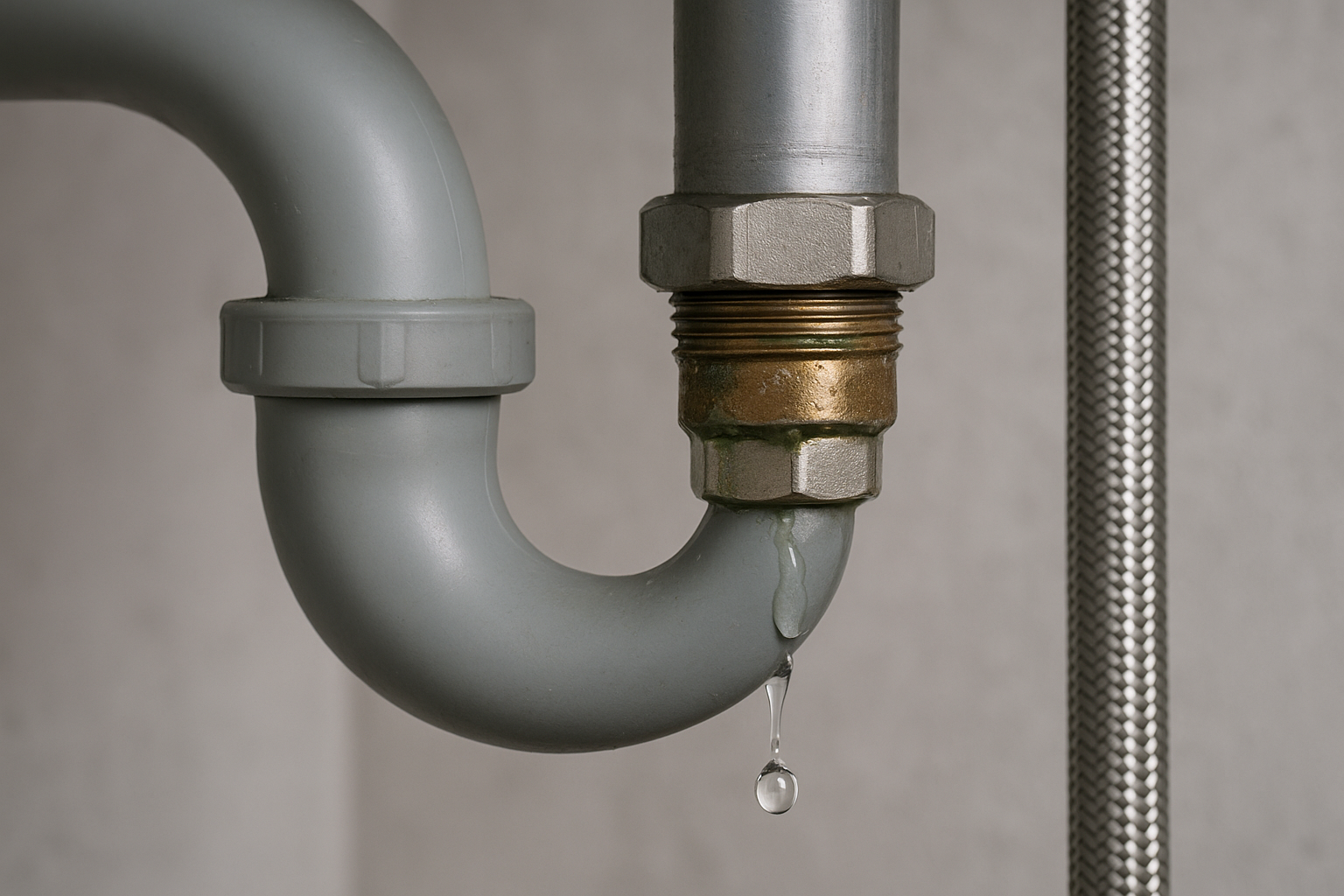
Tiny leaks can be surprisingly difficult to find, yet they often cause the biggest headaches over time. Whether the issue is in plumbing, HVAC systems, roofs, or industrial equipment, a small escape of water, gas, or air can lead to wasted resources, structural damage, mold growth, and costly repairs. The challenge is that these leaks are usually subtle, inconsistent, and hidden behind walls, under floors, or inside mechanical systems.
Understanding the complications with detecting tiny leaks helps property owners, facility managers, and homeowners act faster and prevent minor issues from turning into major damage. Below, we’ll explore why these leaks are so hard to identify, the common warning signs, and how to approach detection more effectively.
Why Tiny Leaks Are So Hard to Detect
Small leaks often go unnoticed because they don’t create dramatic symptoms right away. A dripping pipe, a pinhole in a hose, or a slow roof breach may only release a tiny amount at first. Over time, though, the damage compounds.
- They are often hidden: Many leaks occur behind walls, beneath slabs, in ceilings, or inside sealed equipment.
- The signs can be delayed: Moisture, corrosion, and staining may appear long after the leak starts.
- They may be intermittent: Some leaks only happen under certain pressure levels, temperatures, or weather conditions.
- They can mimic other issues: Condensation, humidity, or normal wear may look similar to a real leak.
Because of these factors, a tiny leak may persist for weeks or months before anyone notices. By that point, the repair is usually more extensive than expected.
Common Complications in Leak Detection
Detecting small leaks is rarely straightforward. Even experienced professionals can face obstacles that make the process time-consuming and uncertain. The exact complication depends on the system and environment, but several problems appear again and again.
- Access limitations: When pipes or lines are concealed, inspecting them directly can require cutting into walls or flooring.
- Noisy environments: In commercial or industrial settings, background noise can make acoustic leak detection less effective.
- Pressure fluctuations: A leak may only appear during certain operating conditions, making it easy to miss during a quick inspection.
- Material interference: Dense building materials, insulation, and metal structures can obscure signs of leakage.
- Multiple possible sources: A single stain or wet spot may come from plumbing, roofing, condensation, or drainage issues.
These complications often require a mix of visual inspection, moisture readings, thermal imaging, pressure testing, and sometimes more invasive methods to pinpoint the source accurately.
Signs That a Tiny Leak May Be Present
Although tiny leaks can be elusive, they usually leave clues if you know what to look for. Catching these early warning signs can save time and money.
- Unexplained water stains: Yellowing, dark patches, or bubbling paint may indicate hidden moisture.
- Musty odors: A persistent damp smell can signal mold or mildew caused by a slow leak.
- Higher utility bills: A small but continuous leak can increase water or energy use over time.
- Reduced pressure: In plumbing or gas systems, pressure drops may point to a leak somewhere in the line.
- Visible corrosion: Rust, mineral buildup, or deterioration around fittings can be a clue.
- Warping or swelling: Wood, drywall, and flooring may change shape when exposed to moisture.
These signs do not always confirm a leak on their own, but they should prompt a closer inspection before damage spreads.
Why Small Leaks Cause Big Damage
The main reason tiny leaks are such a concern is that water, gas, and air rarely stay confined to one spot. Once a leak begins, it can affect nearby materials and systems in unexpected ways.
- Structural deterioration: Wood rot, drywall damage, and weakened insulation can develop gradually.
- Mold growth: Even a small amount of moisture can create the right conditions for mold behind surfaces.
- System inefficiency: Leaks in HVAC, compressed air, or plumbing systems waste energy and reduce performance.
- Escalating repair costs: The longer a leak remains hidden, the more materials may need replacement.
In many cases, the damage is not caused by the leak alone, but by the time it remains undetected. That is why early detection matters so much.
Best Approaches to Detecting Tiny Leaks
Because tiny leaks can hide in so many places, the most effective approach is often layered. Using multiple methods improves the chance of locating the source before major damage occurs.
- Routine inspections: Regular checks of visible pipes, seals, ceilings, and equipment help spot early warning signs.
- Moisture meters: These tools can identify elevated moisture levels in walls, floors, and materials.
- Thermal imaging: Infrared cameras may reveal temperature differences caused by hidden moisture or escaping air.
- Pressure testing: This helps confirm whether a system is losing pressure and narrows down the search area.
- Acoustic detection: Sensitive listening devices can sometimes pick up the sound of escaping fluid or gas.
- Professional assessment: Trained specialists can combine tools and experience to find leaks faster and with less damage.
Using the right method depends on the type of leak, the system involved, and how accessible the area is. In many situations, a professional inspection is the most efficient path.
How to Reduce the Risk of Missing a Leak
Prevention and early action are the best defenses against hidden leaks. Even if a leak is small, a proactive maintenance plan can reduce the chance of missing it.
- Schedule regular maintenance for plumbing, roofing, and HVAC systems.
- Watch for changes in water bills, pressure, and indoor humidity.
- Check areas prone to moisture, such as basements, under sinks, and around appliances.
- Replace aging seals, hoses, and connectors before they fail.
- Address condensation issues so they are not mistaken for leaks.
Small habits can make a big difference. A quick inspection every few months may prevent an expensive emergency later.
Conclusion
Complications with detecting tiny leaks come down to one simple reality: the smallest problems are often the hardest to see. Hidden locations, inconsistent symptoms, and overlapping warning signs make these leaks easy to miss until damage has already spread. By paying attention to subtle clues and using the right detection methods, you can catch issues early and avoid costly repairs.
When a leak seems suspicious but cannot be found, acting quickly is always the smartest move. The sooner you investigate, the easier it is to protect your property, equipment, and peace of mind.