

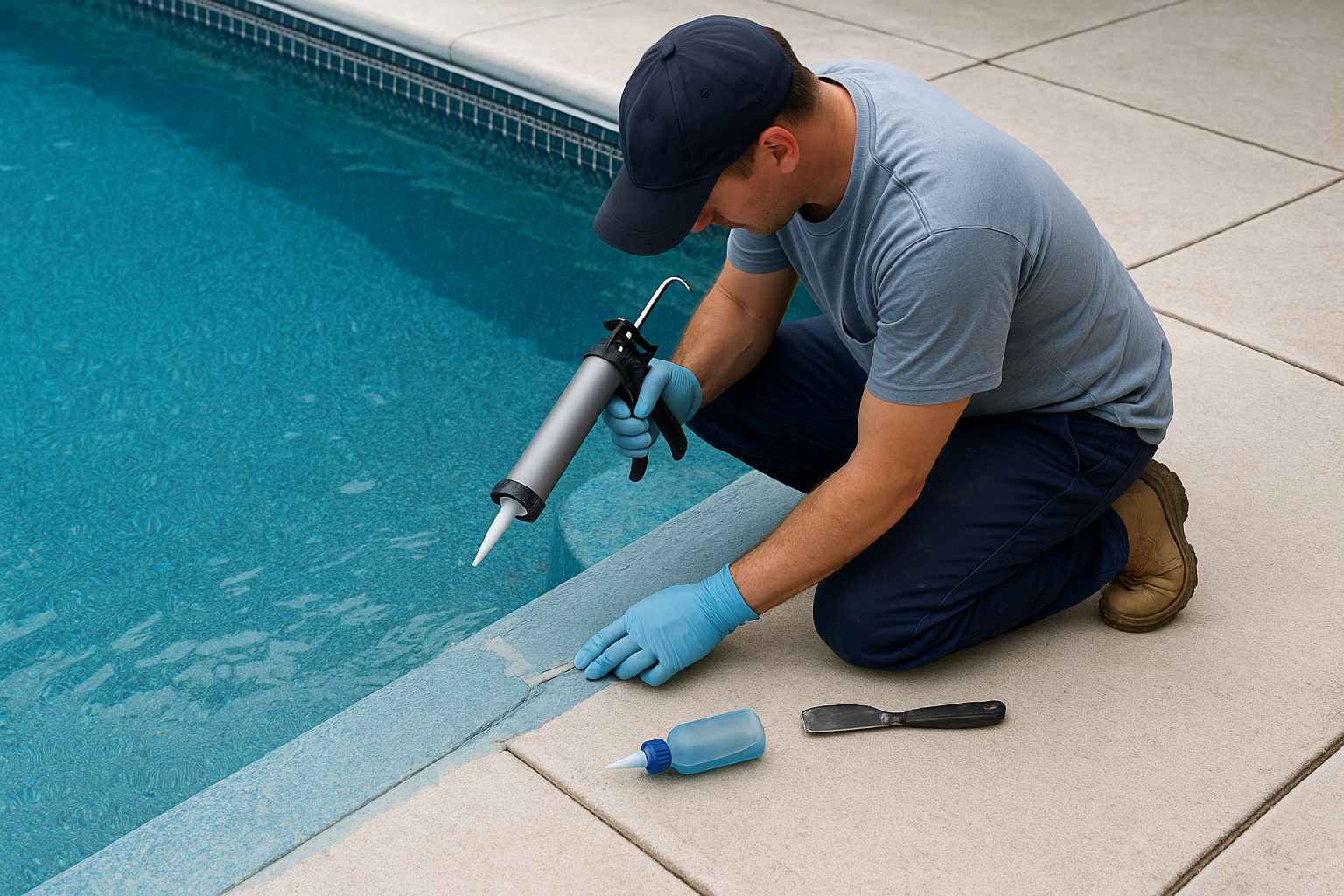
Pool leaks are frustrating enough on their own, but repairs become even more complicated when the leak involves the pool surface. Whether the issue is in the plaster, tile, pebble finish, vinyl liner, or fiberglass shell, surface leaks can be tricky to diagnose and even trickier to fix correctly. A small crack or worn spot may look harmless at first, yet it can lead to bigger water loss, structural stress, and recurring repair bills if handled the wrong way.
Understanding the most common complications with pool surface leak repairs can help you make better decisions, avoid costly mistakes, and know when to bring in a professional. Below, we’ll break down what makes these repairs difficult, what signs to watch for, and how to approach them with confidence.
Why Pool Surface Leaks Are Hard to Diagnose
Not every drop of water loss comes from the surface itself. A pool may appear to have a surface leak, but the real problem could be plumbing, fittings, skimmers, or cracks hidden beneath the finish. That’s why diagnosis is often the first major challenge.
- Water loss can be misleading: Evaporation, splash-out, and filtration cycles can make it difficult to tell whether a true leak exists.
- Multiple leak sources may be present: A surface issue can occur alongside plumbing damage or equipment wear.
- Leaks may be intermittent: Some cracks only leak when the water level reaches a certain point.
- Visual damage may be minor: A tiny hairline crack can still allow significant water loss over time.
Because of these factors, testing often needs to be thorough. Dye tests, pressure testing, and close inspection of the surface are commonly used to pinpoint the exact source of the leak.
Common Complications With Pool Surface Leak Repairs
Repairing a leak on the pool surface is rarely as simple as patching a visible crack. The repair method depends heavily on the surface material, the size of the damage, and whether the leak is isolated or part of a larger problem.
1. Hidden structural damage
What looks like a surface crack may actually be a sign of movement in the shell or a deeper structural issue. If the underlying problem is not corrected, the leak may return even after a patch.
- Ground shifting can create repeated stress on the pool shell.
- Improper drainage around the pool can contribute to movement.
- Old or weakened surfaces may crack again after repair.
2. Mismatched repair materials
Different pool surfaces require different repair products. Using the wrong patch material can weaken the bond, create a visible flaw, or fail under water pressure.
- Plaster repairs need compatible plaster-based materials.
- Vinyl liners require liner patch kits and proper adhesive.
- Fiberglass surfaces often need specialized resin and surface prep.
- Tile repairs may involve grout, epoxy, or replacing damaged tile sections.
3. Poor surface preparation
One of the most common reasons surface leak repairs fail is inadequate preparation. Dirt, algae, calcium buildup, old sealant, and moisture can prevent a patch from adhering properly.
- The repair area may need to be cleaned and dried carefully.
- Loose material around the leak should be removed before patching.
- Smooth or glossy surfaces may need to be roughened for better bonding.
Skipping prep may save time in the short term, but it often leads to the leak reopening later.
4. Water pressure and drainage challenges
Pool leaks are influenced by water pressure, which can make repairs difficult if the pool cannot be fully drained or isolated. In some cases, the water level must stay above the damaged area, complicating access and patching.
- Leaks below the waterline may require underwater repair methods.
- Draining the pool too quickly can damage certain surfaces.
- Improper drainage can increase the risk of shell shifting or surface cracking.
5. Cosmetic and finish matching issues
Even when a repair stops the leak, it may not blend in with the existing pool surface. This is especially noticeable on older pools, faded plaster, or decorative finishes.
- Patch color may not match surrounding material.
- Textured surfaces can be difficult to duplicate.
- Repairs may stand out after the pool is refilled and sunlight hits the area.
Homeowners often want a repair that is both functional and visually clean, but achieving both can be challenging.
Signs a Pool Surface Leak Repair May Be More Complicated Than Expected
Some leaks are straightforward, but others point to a deeper issue. Watch for signs that the repair may require a more advanced solution.
- The leak returns after a previous patch.
- Cracks continue to widen or multiply.
- Water loss is faster when the pool is full.
- There are stains, bulges, or soft spots on the surface.
- Nearby tile, coping, or decking is also showing damage.
If more than one area is affected, the problem may be larger than a simple surface defect. In those situations, it is wise to investigate the pool as a system rather than focusing only on the visible crack.
How to Reduce Repair Complications
While not every complication can be avoided, taking the right approach can make repairs more successful and longer lasting.
- Confirm the leak source first: Do not assume the surface is the only issue.
- Use the correct materials: Match the repair product to the pool surface type.
- Prepare the area thoroughly: Clean, dry, and roughen the repair zone as needed.
- Address underlying causes: Fix drainage, shifting, or structural problems when possible.
- Monitor after repair: Keep an eye on water levels and surrounding surfaces for signs of recurrence.
In many cases, a professional leak detection and repair service can save time and money by identifying the exact issue before work begins. This is especially helpful for older pools or pools with multiple surface materials.
When to Call a Professional
Some minor liner patches or cosmetic fixes can be handled by experienced pool owners, but many surface leak repairs are best left to professionals. If the leak is difficult to locate, the surface is deteriorating, or the pool has structural concerns, expert help is often the safer choice.
- You are losing water rapidly.
- The pool has recurring cracks or patch failures.
- The leak is below the waterline and hard to reach.
- You suspect movement in the shell or foundation.
- The surface material is delicate, aged, or expensive to replace.
A qualified technician can determine whether a patch, resurfacing, or more extensive repair is the best solution.
Conclusion
Complications with pool surface leak repairs often come from hidden damage, incorrect materials, poor preparation, or deeper structural issues. By understanding these challenges, homeowners can make smarter repair decisions and avoid short-term fixes that lead to bigger problems later. If your pool leak seems persistent or hard to trace, getting a professional evaluation is the best way to protect your pool and your budget.