
Understanding Misdiagnosis of Pool Water Loss
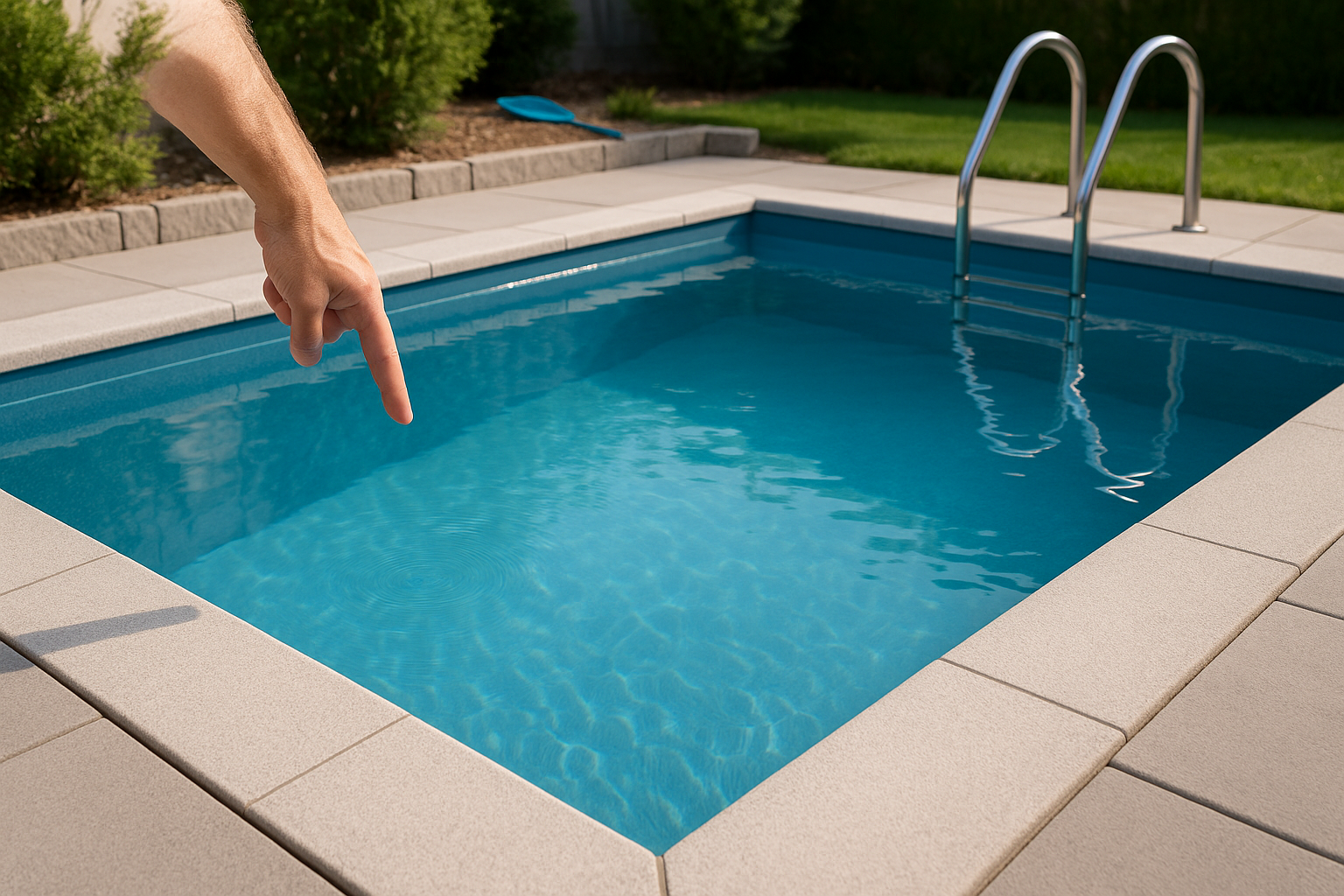
Pool water loss can be frustrating, expensive, and easy to misunderstand. A lowering water level does not always mean you have a major leak, and many pool owners spend time and money chasing the wrong problem. Misdiagnosis often happens when evaporation, splash-out, backwashing, or plumbing issues are mistaken for a structural leak.
- Not every drop in water level means a broken pool shell.
- Some water loss is normal, especially during hot or windy weather.
- Incorrect testing can lead to unnecessary repairs and stress.
The key is to identify the source of loss before making assumptions. With a careful approach, you can avoid costly guesswork and solve the real issue faster.
Common Signs That Pool Water Loss May Be Misdiagnosed
Many pool owners notice a low water level and immediately assume there is a leak. However, several symptoms can point to a false diagnosis. Recognizing these clues can save time and prevent unnecessary excavation, patching, or equipment replacement.
- The water level drops only during hot or windy days.
- Loss slows down or stops when the pump is off.
- Water disappears after backwashing or heavy use.
- No visible wet spots appear around the pool deck or equipment.
- The pool holds water at certain levels, suggesting a leak at or above that point.
These signs do not rule out a leak, but they do suggest that the problem may not be where you first think it is. Paying attention to patterns is one of the best ways to narrow the search.
Why Pool Water Loss Is Often Misdiagnosed
Pool water loss is frequently misdiagnosed because several factors can create the same symptom: a falling water line. Without testing, it is easy to blame the pool liner, shell, or plumbing too quickly. In reality, the issue may be simple and seasonal.
Evaporation Can Look Like a Leak
Evaporation is one of the most common reasons pool owners misread water loss. Warm temperatures, low humidity, and strong wind can remove a surprising amount of water in a short time.
- Sunlight increases evaporation throughout the day.
- Wind speeds up moisture loss from the surface.
- Warm water evaporates faster than cooler water.
A pool in summer may lose more water than expected, especially if it is uncovered. Before assuming there is a leak, compare the daily loss to normal evaporation rates in your area.
Backwashing and Splash-Out Are Easy to Overlook
Backwashing a filter or allowing heavy pool activity can remove or displace a significant amount of water. Families, pets, and pool toys can all cause splash-out that looks like unexplained loss.
- Frequent backwashing lowers water level over time.
- Swimmers entering and exiting can push water over the edge.
- Water features and spas may contribute to visible loss.
If the water level only seems low after a busy weekend or maintenance cycle, the cause may be normal usage rather than a hidden leak.
How to Properly Diagnose Pool Water Loss
A careful diagnosis starts with simple observation and basic testing. The goal is to separate normal water loss from true leakage and then determine whether the issue is in the pool structure, plumbing, or equipment.
Use the 24-hour On/Off Test
Completing the 24-hour on/off test is the best approach to getting a good idea of whether your pool is leaking.
Check the Water Level at Different Times
Monitoring when water loss happens can reveal important patterns. A leak that worsens while the pump is running may point to plumbing or equipment. Loss that stops at a certain water line may suggest a leak in the shell, tile line, or fittings above that point.
- Track the water level morning and evening.
- Note weather conditions such as wind and heat.
- Observe whether the pump cycle affects the rate of loss.
These simple records make it easier to spot trends and eliminate false assumptions.
Inspect Equipment, Fittings, and Valves
Not all pool leaks come from the pool itself. Pumps, filters, heaters, valves, and return lines can all lose water without leaving obvious signs. Small drips or underground leaks often go unnoticed until the water bill rises or the pool level drops faster than expected.
- Look for damp soil near equipment pads.
- Check unions, gaskets, and valve seals for moisture.
- Listen for air in the system or loss of prime.
A problem in the circulation system can easily be mistaken for a cracked pool wall, so a full inspection is essential.
Preventing Misdiagnosis and Unnecessary Repairs
The best way to avoid misdiagnosing pool water loss is to use a step-by-step process. Start with the simplest explanations first, then move toward more technical testing if needed. This approach saves money and reduces the chance of fixing the wrong thing.
- Document water level changes with photos or notes.
- Test for evaporation before calling for repairs.
- Inspect both the pool and the equipment area.
- Ask a professional to pressure test plumbing if the problem remains unclear.
Professional leak detection can be especially helpful when the source is hidden underground or when multiple issues are happening at once. A trained technician can use specialized tools to pinpoint the exact cause instead of relying on guesswork.
Conclusion
Misdiagnosis of pool water loss is common, but it does not have to lead to wasted time and costly repairs. By checking for evaporation, splash-out, backwashing, and equipment issues first, you can narrow down the true cause with confidence. A careful diagnosis helps protect your pool, your budget, and your peace of mind.