
Seasonal Pool Leak Repair Challenges
Pool leaks can be frustrating any time of year, but seasonal changes often make them harder to find, diagnose, and repair. Temperature shifts, changing water usage, and weather-related wear can all affect how a leak behaves. If you notice your pool losing water as the seasons change, understanding the unique challenges of seasonal pool leak repair can help you act faster and avoid costly damage.
Below, we’ll break down why leaks can be more difficult to manage during different times of the year, what signs to watch for, and how to approach repairs in a practical way.
Why Seasonal Changes Make Pool Leaks Harder to Diagnose
Pool systems expand, contract, and react to changing weather conditions. That means a leak may appear only during certain times of the year or become more noticeable when temperatures shift. In some cases, a small issue in spring turns into a major water loss problem by midsummer.
- Temperature changes can cause plumbing, fittings, and pool surfaces to expand or contract.
- Rainfall and humidity may mask water loss or make it harder to spot where water is escaping.
- Seasonal pool use can affect water levels and put extra strain on equipment.
- Ground movement from freeze-thaw cycles can loosen pipes or crack surrounding materials.
Because of these variables, leak detection often requires more than a quick visual inspection. A leak that seems minor in one season may become much more obvious in another.
Common Seasonal Pool Leak Repair Challenges
Every pool is different, but many owners run into the same repair obstacles when seasons change. Knowing what to expect can help you prepare before the problem gets worse.
1. Freeze-Thaw Damage in Cold Weather
In colder climates, one of the biggest seasonal challenges is freeze-thaw damage. Water left in pipes or small cracks can freeze, expand, and create new leaks. Even if the pool is closed, winter conditions can stress the plumbing and structure.
- Cracks may widen when temperatures drop.
- Plumbing joints can loosen after repeated freezing and thawing.
- Surface damage may not become obvious until the pool is reopened.
Prevention is key here. Winterizing properly and checking for hidden damage before spring can reduce the chance of expensive repairs later.
2. Spring Startup Reveals Hidden Issues
Spring is often when pool owners discover leaks that developed during winter storage or closure. Once the pool is refilled and the system is restarted, a leak can become much easier to spot. However, spring weather can also make repairs tricky because many contractors are busy, and fluctuating temperatures can affect sealants and patch materials.
- Leaks may be hidden by winter covers or debris.
- Equipment problems may show up all at once during startup.
- Cool nights and warm days can make repairs less predictable.
If you notice dropping water levels after opening your pool, don’t assume it is evaporation. It could be a sign of a deeper issue in the liner, shell, skimmer, or plumbing lines.
3. Summer Evaporation Can Look Like a Leak
During hot weather, it can be difficult to tell whether your pool is leaking or simply losing water through evaporation. This is one of the most common seasonal pool leak repair challenges because high temperatures, wind, and heavy use all affect water levels.
- Warm weather increases natural evaporation.
- Splashing and backwashing can make water loss seem worse.
- Frequent refilling can hide a leak for weeks.
To help confirm a leak, use a simple bucket test or monitor your water level over several days when the pool is not in heavy use. This can help determine whether the loss is normal or excessive.
4. Equipment Wear Is More Noticeable in Peak Season
When your pool is being used more often, your equipment works harder. Pumps, filters, heaters, valves, and fittings are all under more strain during peak season, which can expose leaks that were already developing.
- Higher circulation demand can highlight weak spots in plumbing.
- Loose unions and valves may drip more under pressure.
- Old seals and gaskets may fail faster during heavy use.
Routine inspections during the busiest months can help you catch problems early. A small drip in summer may seem harmless, but it can waste a significant amount of water over time.
How to Spot Seasonal Pool Leak Warning Signs
Early detection makes repair easier and usually less expensive. The challenge is knowing which symptoms point to a real leak rather than seasonal water loss or normal wear.
- Water level drops faster than usual, even when the weather is mild.
- Wet spots appear around the pool deck or equipment pad.
- Air bubbles show up in return lines or the pump basket.
- Cracks, loose fittings, or gaps appear in the pool surface or plumbing.
- Algae growth increases because chemicals are being diluted by repeated refilling.
If you see one or more of these signs, it’s worth investigating sooner rather than later. Seasonal issues often worsen when left untreated.
Best Practices for Seasonal Leak Repairs
Repairing a pool leak successfully often depends on timing, proper diagnosis, and the right materials. A patch that works in one season may not hold up if weather conditions change dramatically.
- Test first: Confirm the leak location before making repairs.
- Use season-appropriate materials: Some sealants and patches perform better in warm, dry conditions.
- Inspect all systems: Check the shell, liner, skimmer, fittings, returns, and plumbing.
- Schedule maintenance early: Don’t wait until peak season when repair windows are tighter.
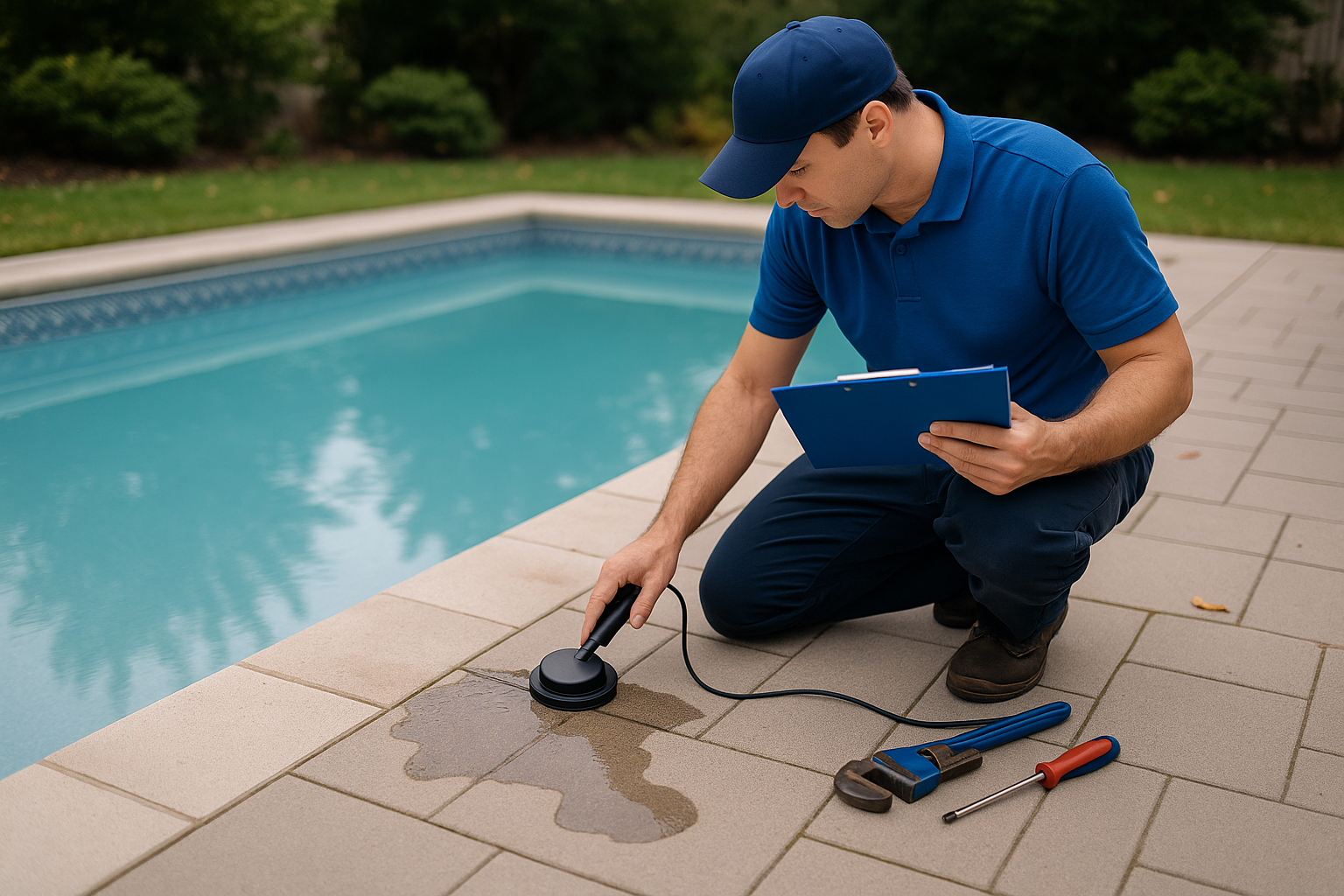
In many cases, professional leak detection can save time and reduce guesswork. Specialized equipment can pinpoint leaks in hard-to-reach places, especially when seasonal conditions make visual inspection unreliable.
When to Call a Professional
Some minor issues can be handled by experienced pool owners, but seasonal leaks often involve multiple factors. If the leak appears in the plumbing, under the deck, or in a difficult-to-access area, a professional can help identify the true source quickly.
- The water loss is significant and consistent.
- You can’t tell whether the problem is evaporation or a leak.
- Repairs keep failing after temporary fixes.
- You suspect structural damage, underground pipe damage, or hidden liner tears.
A professional inspection can also help you prepare for the next season by identifying vulnerable areas before they become expensive emergencies.
Conclusion
Seasonal pool leak repair challenges can be tricky, but they are much easier to manage when you know what to look for. Temperature changes, evaporation, freeze-thaw damage, and heavy seasonal use all play a role in how leaks appear and how repairs hold up. By monitoring water loss closely and addressing issues early, you can protect your pool, reduce water waste, and avoid bigger repair bills down the road.